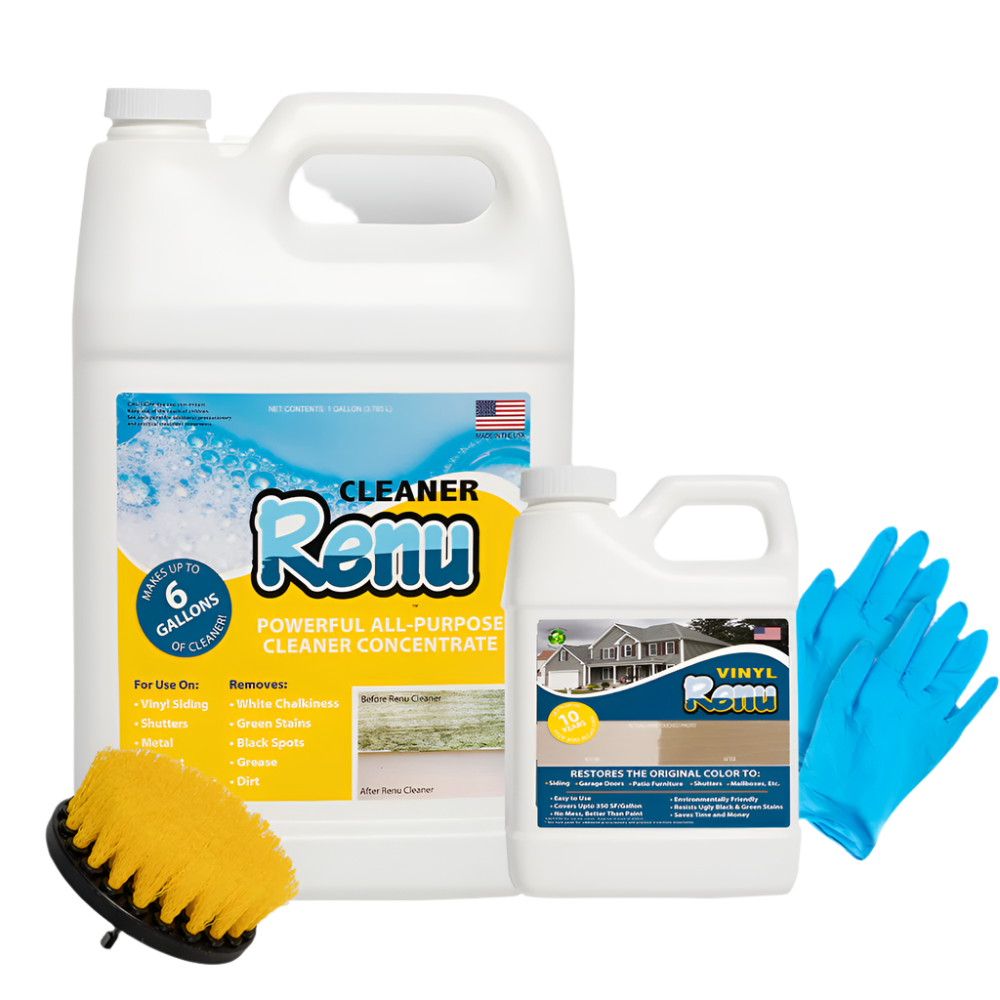
In the pursuit of a healthier, more eco-conscious home, the products we use every day play a major role. From kitchen cleaners to wood treatments, making the switch to safe, sustainable options can reduce indoor air pollution, minimize harmful chemical exposure, and support long-term environmental health. A great starting point is using a cleaner concentrate—a powerful, non-toxic formula that replaces multiple single-use cleaners. Pair that with a high-quality wood sealer that protects your furniture, decks, and outdoor structures without harmful fumes or runoff, and you’ve got a winning combination for a safer living space. This article explains how these two products can work together to simplify home care while protecting your family and the planet.
What Is a Cleaner Concentrate?
Cleaner concentrates are undiluted cleaning solutions designed to be mixed with water before use. Unlike typical household cleaners that are mostly water, concentrates are highly effective because they contain a higher percentage of active ingredients. This makes them more efficient, economical, and environmentally responsible.
Advantages of Using Cleaner Concentrates
- Cost Efficiency
Because you dilute them yourself, one bottle of concentrate can last months. This reduces the need to repurchase multiple cleaning products for different areas of the home. - Reduced Packaging Waste
Buying one bottle of concentrate instead of multiple pre-diluted sprays cuts down significantly on plastic waste. Many eco-friendly brands also use recyclable packaging. - Safer Ingredients
Many cleaner concentrates are made from biodegradable, plant-based ingredients that don’t contain synthetic fragrances, dyes, or toxic preservatives. That means fewer allergens and irritants inside your home. - Multi-Surface Use
A single cleaner concentrate can be used on countertops, glass, floors, tiles, and even outdoor furniture. This versatility simplifies your cleaning routine and cuts down on clutter under your sink.
Choosing a cleaner concentrate means you can maintain a spotless home while being kinder to the environment.
The Role of Wood Sealers in Home Maintenance
Wooden surfaces are naturally beautiful and functional, but they require proper care to prevent damage from moisture, sunlight, insects, and general wear. Whether it’s a garden deck, a fence, or a piece of indoor furniture, wood needs protection to ensure it lasts. This is where using the right wood sealer becomes critical.
Why You Should Avoid Conventional Wood Sealers
Traditional sealers often include harsh chemicals such as formaldehyde, solvents, and VOCs. These substances can emit strong odors, cause respiratory irritation, and contribute to poor indoor air quality. Outdoors, these toxins can leach into the soil and waterways, harming beneficial organisms.
Benefits of Choosing a Natural or Non-Toxic Wood Sealer
- Healthier Living Space
Natural sealers contain fewer pollutants, making them safer to use in indoor spaces and around children and pets. - Environmental Protection
Non-toxic sealers are biodegradable and often derived from natural oils or resins. They’re safer for the ecosystem, especially when used on outdoor projects like garden beds or fences. - Long-Lasting Protection
Modern eco-friendly wood sealers are just as effective as their chemical counterparts. They repel water, resist UV damage, and help prevent mold and mildew growth.
If you want to extend the life of your wooden surfaces while maintaining environmental responsibility, using the best wood sealer is the way to go.
Practical Uses for Cleaner Concentrates and Wood Sealers
Combining these two products provides a complete care solution for home and garden. Here are just a few practical applications:
- Kitchen Cleaning: A cleaner concentrate can be diluted and used to clean countertops, cabinets, and floors without leaving toxic residue near food.
- Outdoor Furniture: Wooden benches or chairs can be wiped clean with diluted cleaner, then protected with a non-toxic sealer to withstand rain and sun.
- Garden Beds: Use the cleaner to prep wooden surfaces before sealing. Then apply the wood sealer to protect against moisture and pests.
- Children’s Play Areas: Clean and seal wood used in play structures, swings, or indoor toys using products that won’t harm little hands or lungs.
This dual approach simplifies home maintenance by offering safe and powerful cleaning and sealing options that don’t require harmful chemicals or multiple products.

How to Use These Products Safely and Effectively
Step 1: Prep the Surface
For cleaning, mix the concentrate with water according to label directions. For sealing, clean and dry the wood before application.
Step 2: Apply Properly
Use a microfiber cloth or mop for cleaning and a brush or roller for sealing. Work in well-ventilated areas when possible.
Step 3: Allow Drying Time
Let cleaners air-dry unless rinsing is required. Let sealers cure fully before using the surface—this ensures maximum protection.
Step 4: Reapply When Needed
Cleaning should be regular. For sealing, reapplication every 1–2 years helps maintain wood integrity, especially outdoors.
Conclusion
Eco-conscious home care starts with the right tools. By switching to a cleaner concentrate, you cut down on waste, save money, and eliminate harmful chemicals from your daily routine. Pair it with the best wood sealer to protect wooden surfaces indoors and out—all while supporting a healthier home and planet.
For homeowners committed to sustainability, investing in a Sustainable wood sealer is the next step. This choice not only safeguards your home’s wood but also supports a cleaner future. Thoughtful home care doesn’t have to come at the expense of your health or the environment—it simply requires choosing the right products.