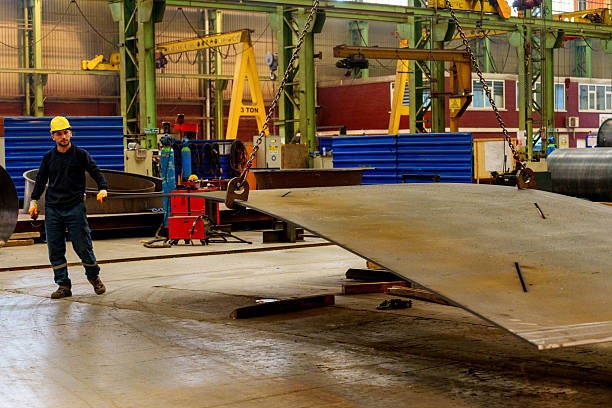



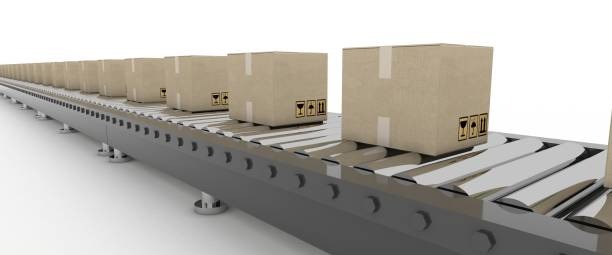
Automation has changed how warehouses and distribution centers manage inventory, orders, and transportation. However, automated equipment can only perform effectively when it receives accurate information. Freight dimensions are one example of operational data that machines and software may need to make informed decisions. Freight dimensioning systems can provide this information automatically, helping businesses connect physical freight with digital logistics processes.
As supply chains become more data-driven, dimensional measurement is no longer simply a task performed before shipping. It can become part of a broader information system that supports planning, routing, storage, and operational analysis.
The Growth of Connected Logistics
Modern logistics facilities may include conveyor systems, barcode scanners, warehouse software, automated storage equipment, robotics, and transportation platforms. Each technology performs a different function, but they work more effectively when information can move between systems.
Dimensioning technology adds another source of structured data. Instead of manually recording measurements, a connected system can capture and transfer information electronically.
How Dimensioning Fits Into Automated Workflows
In an automated facility, freight may pass through multiple processing stages. A package can be identified, measured, weighed, sorted, stored, and prepared for shipment.
Freight dimensioning systems can be positioned at a point where measurement naturally fits into this workflow. The goal is to avoid creating an additional bottleneck while ensuring accurate information is captured at the appropriate stage.
Creating Data for Automated Decisions
Automated systems often need information about the physical characteristics of an item. For example, warehouse software may need to know whether an item can fit into a particular storage location.
Dimension data can help provide that information. When measurements are available electronically, software can potentially use them alongside inventory and order data to support operational decisions.
Improving Space Planning
Warehouse space is one of the most important resources in logistics. Poorly planned storage can increase travel distances, reduce capacity, and complicate inventory retrieval.
Accurate dimensions help businesses understand how much physical space products require. This information can support slotting strategies and storage planning.
Freight dimensioning systems can continuously generate dimensional information as new products or shipments enter the operation. Over time, this can help organizations maintain more complete and current physical inventory data.
Supporting Fulfillment Operations
Order fulfillment requires coordination between inventory availability, picking, packing, and shipping. Package dimensions can be particularly useful during packing and dispatch.
When dimensional information is available early, systems can help determine appropriate packaging or identify shipments that may require special handling.
This does not eliminate the need for human oversight. Instead, it gives employees better information to make decisions and manage exceptions.

Building a Data-Driven Logistics Strategy
Automation creates large amounts of operational data. The challenge is turning that data into useful insights.
Dimension information can be analyzed alongside shipment volumes, order profiles, storage requirements, and transportation records. Businesses may identify trends such as frequently oversized shipments or products that consistently require excessive packaging.
Freight dimensioning systems can contribute to these analytics by creating standardized records that are easier to compare over time.
Choosing the Right Technology
Not every dimensioning system is appropriate for every facility. Businesses should consider freight sizes, shapes, throughput, conveyor speeds, measurement accuracy, environmental conditions, and software compatibility.
Integration requirements are particularly important. A system that captures accurate dimensions but cannot communicate effectively with existing software may provide less operational value than expected.
Companies should also consider maintenance, calibration, training, and support when evaluating long-term technology investments.
Conclusion
Logistics automation depends on reliable data. Physical freight must be translated into usable digital information before software and automated equipment can effectively incorporate it into operational workflows. Freight dimensioning systems provide a practical way to capture dimensional information and connect physical shipments with digital logistics processes.
From storage planning and fulfillment to transportation and analytics, dimensional data can support multiple operational functions. When selected and integrated correctly, dimensioning technology can become a valuable component of a connected, automated warehouse environment.