
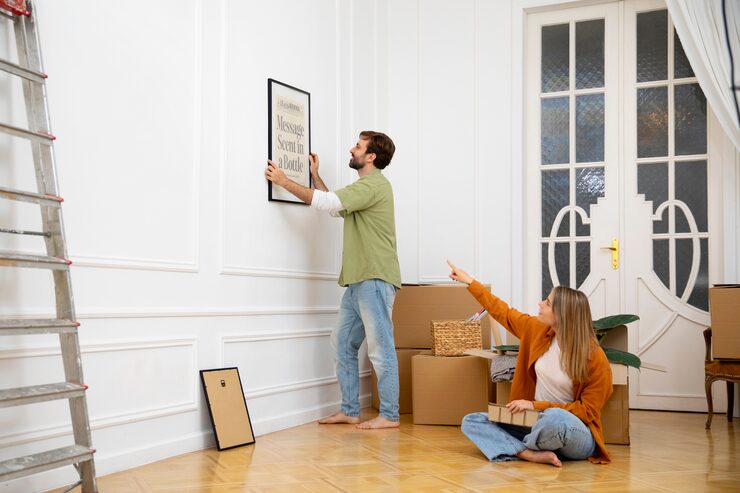
Your home is more than just a building; it’s where your memories live and your future unfolds. But when damage occurs from water, fire, or natural wear and tear, it can feel overwhelming to bring it back to its best. This is where professional home restoration becomes essential. With the right expertise, your home can be renewed to reflect safety, comfort, and beauty once again. In this article, we’ll explore the process, benefits, and reasons why investing in home restoration is the right choice for homeowners who value both function and style.
What Is Home Restoration?
Home restoration is the process of bringing a damaged or aging property back to its original condition or better. It often involves repairing structures, restoring interior finishes, and improving safety systems. Unlike simple renovations, restoration focuses on recovering the home’s integrity while maintaining its original charm. For example, a century-old house with fire or water damage can be carefully restored to retain its architectural beauty while ensuring it meets modern safety standards.
Why Professional Restoration Matters
While DIY fixes may seem appealing, professional restoration ensures lasting quality. Experts understand how to identify hidden structural issues that could compromise safety if left untreated. They also use advanced tools and materials designed to extend the lifespan of your home. Professional restoration offers benefits such as:
- Structural integrity: Ensures foundations, walls, and roofs are fully secured.
- Health and safety: Prevents mold growth, electrical hazards, or weakened supports.
- Property value: A restored home can significantly increase resale value.
- Peace of mind: You can trust that every repair is handled thoroughly.
Common Causes for Restoration
Homes may require restoration for many reasons, ranging from sudden accidents to long-term deterioration. Some common causes include:
- Water damage: Burst pipes, leaks, or flooding can weaken foundations and cause mold.
- Fire damage: Smoke and flames compromise both structure and air quality.
- Storm damage: High winds or heavy rainfall may damage roofs, siding, or windows.
- Aging materials: Over time, foundations crack, wood decays, and finishes wear out.
Understanding the cause helps determine the best restoration approach and ensures the problem doesn’t return.

The Restoration Process
The process of restoring a home usually involves several key steps:
- Assessment: Professionals evaluate the damage and create a detailed plan.
- Stabilization: Urgent issues like leaks or structural instability are addressed first.
- Cleaning and removal: Damaged materials are carefully removed to prepare for repairs.
- Repair and rebuild: Walls, floors, and essential systems like plumbing or electrical are restored.
- Finishing touches: Painting, flooring, and design details bring the home back to life.
This structured process ensures no detail is overlooked, resulting in a safe and welcoming living space.
Choosing the Right Experts
When selecting a company for restoration, experience and reputation matter. Look for professionals with proven success in handling the type of damage your home has endured. Ask for references, review portfolios, and confirm certifications. Choosing specialists ensures the work is done right the first time and saves you from costly mistakes in the future.
Benefits of Modern Restoration Services
Advancements in technology have made restoration more efficient and effective. Today’s Restoration services use moisture detection tools, eco-friendly cleaning solutions, and high-quality building materials. This not only speeds up the process but also ensures long-lasting durability. Additionally, modern approaches often focus on energy efficiency, meaning your restored home may be more cost-effective to maintain.
Real-Life Example: Turning Damage into Renewal
Consider a family home impacted by severe water damage after a storm. Instead of simply repairing the walls, professional restoration teams worked to identify hidden mold, replace damaged insulation, and reinforce the foundation. The result was a safer, healthier, and stronger home that looked even better than before. This example shows how restoration is about more than repair—it’s about renewal.
How Restoration Adds Value to Your Home
A well-restored home can increase property value significantly. Potential buyers often prefer move-in-ready homes that require minimal repairs. In addition, restoration can highlight original architectural details, making the property unique and appealing in today’s housing market. Even if you don’t plan to sell soon, restoring your home ensures it remains a safe and beautiful place for years to come.
Conclusion
Home restoration is more than fixing what’s broken; it’s about giving your property a fresh start while protecting its history and value. Whether caused by natural disasters, accidents, or simply the passage of time, damage doesn’t have to define your living space. With the help of skilled professionals, your home can be restored to provide safety, comfort, and lasting beauty. Investing in expert restoration today ensures your property continues to be the place where memories are built for generations to come.