
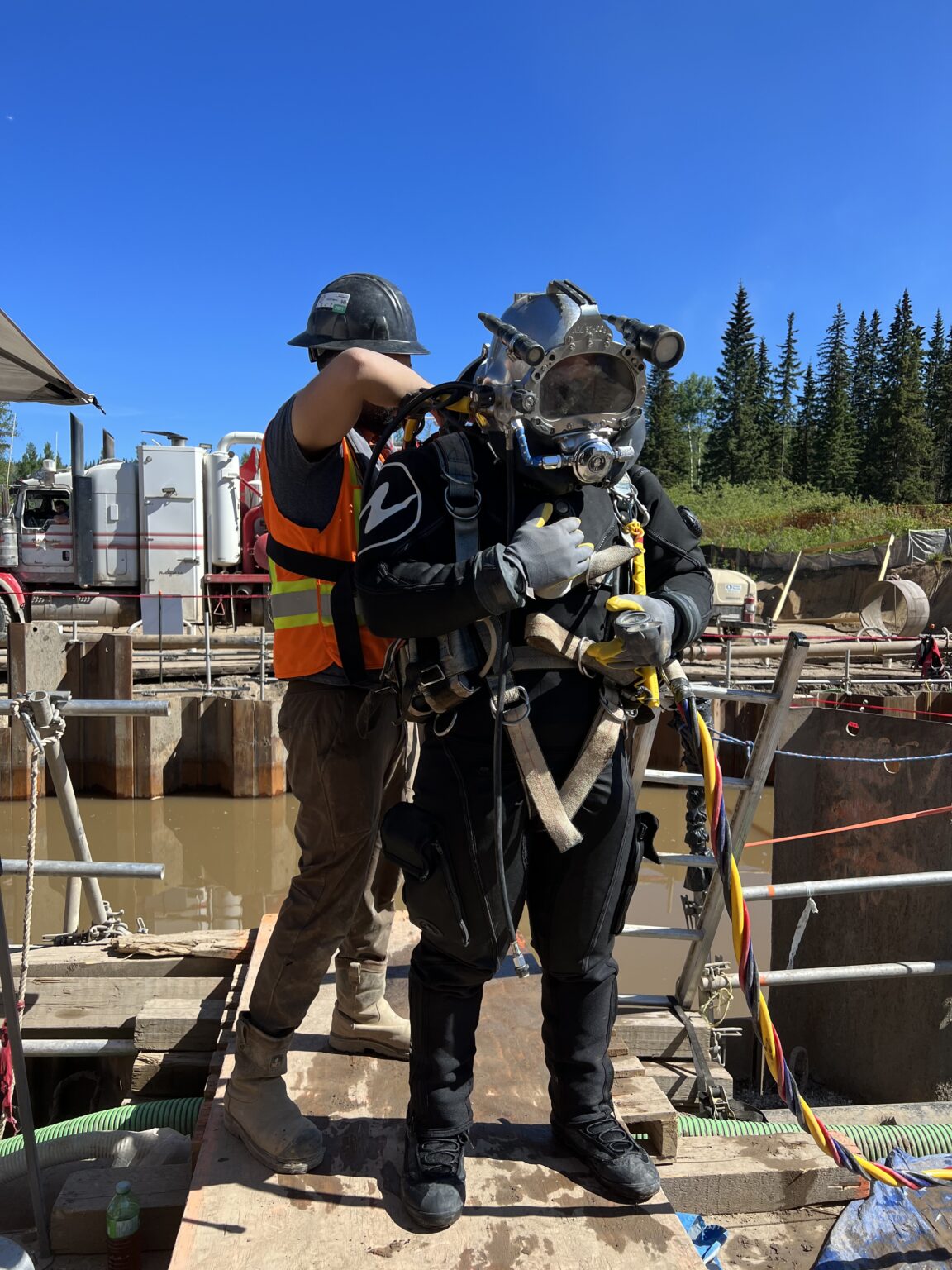
Underwater welding is a career that naturally grabs attention because it blends technical welding skills with deep-sea diving and challenging work environments. Many people are drawn to this profession after hearing about its impressive pay, but the reality is more nuanced. In 2025, underwater welding can be financially rewarding, yet earnings vary widely depending on several important factors. This article explores how much underwater welders actually make and what influences their income.
How Much Do Underwater Welders Actually Make?
Underwater welders typically earn between $30,000 and $200,000 per year. While the highest salaries make headlines, most professionals fall somewhere in the middle of this range. In 2025, the average underwater welder salary is generally estimated to be between $60,000 and $90,000 annually. These figures depend heavily on experience, the nature of the job, and where the work takes place.
Factors That Affect Underwater Welding Salaries
Several elements play a role in determining how much an underwater welder can earn, and understanding these factors helps set realistic expectations.
Experience and Skill Level
Experience is one of the biggest influences on underwater welding pay. Beginners often earn lower salaries as they build their skills and complete entry-level jobs. As welders gain more experience, advanced certifications, and confidence working in complex underwater environments, their earning potential increases significantly. Veteran underwater welders with years of offshore experience often command much higher pay.
Location and Work Environment
Where an underwater welder works has a major impact on income. Offshore underwater welding, particularly in the oil and gas industry, tends to offer higher pay due to greater risks and longer deployments. Inland underwater welding, such as work on bridges, dams, or water treatment facilities, usually pays less but provides more consistent employment. Countries with strong offshore industries often offer better compensation overall.
Type of Employer and Project
Earnings also depend on who employs the underwater welder and the type of project involved. Large industrial projects, emergency repairs, and specialized offshore contracts usually pay more than routine maintenance work. Short-term contracts can be extremely lucrative, but they are not always steady or predictable.
Is Underwater Welding Pay Worth the Risk?
Underwater welding is widely recognized as one of the most dangerous professions. Welders face hazards such as limited visibility, strong currents, extreme pressure, and potential equipment failure. Although the pay is higher than many traditional trades, it reflects these risks. Income can also fluctuate because many underwater welders work on a contract basis, meaning employment is not always continuous throughout the year.
How Underwater Welding Compares to Other Trades
Compared to standard welding jobs, underwater welding offers a higher earning ceiling but demands more training, certification, and physical endurance. Traditional welders often enjoy more stable work conditions, while underwater welders trade stability for higher pay potential and a more adventurous career path.
Conclusion
In 2025, underwater welding remains a career with strong earning potential, but it is not a guaranteed path to instant wealth. Most underwater welders earn solid incomes that reflect their specialized skills and the risks involved, while top earners are usually highly experienced professionals working offshore. Anyone considering underwater welding should look beyond the salary figures and carefully evaluate the lifestyle, training requirements, and safety challenges. For the right person, underwater welding can be both a financially rewarding and uniquely challenging profession.