close
business

Hoodies & Sweatshirts: Where Global Style Meets Conscious Living

Hoodies & Sweatshirts

A New Era of Everyday Apparel 

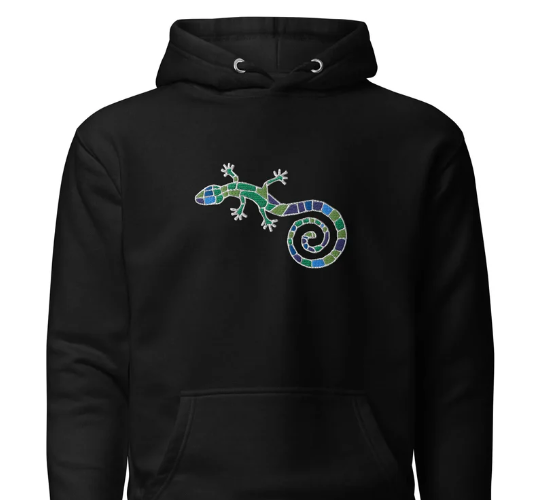
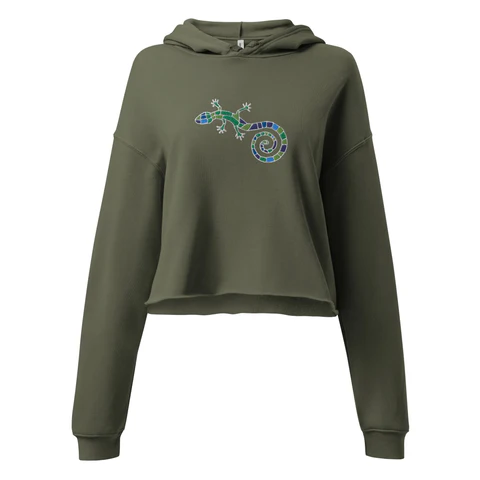
Hoodies & Sweatshirts have evolved far beyond their origins as simple athletic wear. Today, they represent a powerful intersection of comfort, identity, and cultural expression. For the modern consumer—especially eco-aware millennials and Gen Z—these garments are no longer just wardrobe staples but meaningful extensions of personal values. Within the philosophy of Global Wanderer, hoodies & sweatshirts are designed not only to provide warmth and utility but also to tell stories inspired by global heritage, craftsmanship, and intentional design. Each piece becomes a wearable narrative, reflecting diverse cultural influences while maintaining a strong commitment to sustainability and ethical production. 

Design-Driven Expression with Cultural Depth 

One of the defining characteristics of hoodies & sweatshirts in a global, design-focused context is their ability to communicate identity without words. Creative professionals and frequent travelers often seek apparel that resonates with their experiences, inspirations, and worldview. Through patterns, textures, embroidery, and prints influenced by different regions, these garments celebrate global artistry. A hoodie may incorporate minimal Japanese aesthetics, while a sweatshirt might feature motifs inspired by African textiles or South American color traditions. This blending of cultural elements allows wearers to express individuality while appreciating the interconnectedness of global design heritage. Rather than following fast-changing trends, these pieces prioritize timelessness, authenticity, and storytelling. 
Hoodies & Sweatshirts

Sustainability as a Core Value 

Modern consumers increasingly demand transparency and responsibility in the products they purchase, and hoodies & sweatshirts are no exception. Climate-conscious purchasing has become a priority, especially among younger generations who are mindful of environmental impact. Materials such as organic cotton, recycled polyester, and low-impact dyes are commonly used to reduce ecological footprints. Ethical manufacturing practices, including fair wages and safe working conditions, further enhance the integrity of these garments. Global Wanderer aligns with this mindset by emphasizing measurable impact—ensuring that each hoodie or sweatshirt not only looks good but also contributes positively to people and the planet. This approach transforms fashion into a force for good rather than mere consumption. 

Functionality Meets Lifestyle Versatility 

Beyond aesthetics and sustainability, hoodies & sweatshirts remain highly functional pieces suited for diverse lifestyles. For frequent travelers, they offer comfort during long journeys and adaptability across climates. Lightweight yet insulating fabrics make them ideal for layering, whether navigating cool city evenings or transitioning between environments. Creative professionals often appreciate the balance between relaxed comfort and presentable style, allowing them to move seamlessly between workspaces, cafés, and collaborative settings. The versatility of these garments ensures they are not confined to a single purpose but instead serve as reliable companions in both everyday routines and exploratory adventures. 

Intentional Purchasing and Meaningful Ownership 

Intentional buyers are redefining what it means to invest in clothing, and hoodies & sweatshirts play a significant role in this shift. Rather than accumulating excessive fast-fashion items, consumers are choosing fewer, higher-quality pieces that align with their values. Each purchase is evaluated not just on appearance but on durability, ethical sourcing, and long-term relevance. In this context, a hoodie becomes more than an article of clothing—it becomes a symbol of thoughtful consumption. Gift buyers, in particular, are drawn to items that carry meaning and uniqueness, making story-rich sweatshirts an ideal choice for expressing care and connection. This intentional approach fosters deeper appreciation for each garment and reduces waste over time. 

Global Wanderer’s Design Philosophy 

At the heart of Global Wanderer’s approach to hoodies & sweatshirts is a commitment to blending functionality with global inspiration. Designs are not created in isolation but are influenced by travel, cultural research, and collaboration with artisans and designers from different backgrounds. This results in pieces that feel both contemporary and rooted in tradition. The emphasis on storytelling ensures that each hoodie or sweatshirt carries a unique identity, allowing wearers to connect with something larger than themselves. By integrating cultural awareness with modern aesthetics, Global Wanderer creates apparel that resonates with individuals who value depth, authenticity, and purpose in what they wear. 

The Role of Community and Self-Expression 

Hoodies & sweatshirts also serve as tools for building community among like-minded individuals. People who share an appreciation for global cultures, sustainability, and creative expression often find common ground through the brands they support and the clothing they wear. These garments can spark conversations, signal shared values, and foster connections across geographic and cultural boundaries. For many, wearing a thoughtfully designed sweatshirt is a subtle yet powerful way to align with a broader movement that prioritizes meaning over mass production. This sense of belonging enhances the emotional value of the product and reinforces its role as more than just apparel. 

Conclusion 

In a world increasingly driven by conscious choices and cultural awareness, hoodies & sweatshirts have emerged as essential garments that bridge comfort, style, and purpose. Within the Global Wanderer ethos, they represent more than everyday wear—they embody global heritage, sustainable practices, and intentional living. For eco-aware millennials, Gen Z consumers, travelers, creatives, and thoughtful gift buyers, these pieces offer a unique opportunity to express identity while supporting ethical and environmentally responsible production. As fashion continues to evolve, hoodies & sweatshirts will remain timeless symbols of how design, culture, and consciousness can come together to create something truly meaningful. 

read more
business

How Can a Company Implement Sustainable Mobility Solutions?

mobilité durable entreprise

Businesses across Europe are increasingly adopting sustainable mobility solutions to reduce their environmental impact, cut transportation costs, and improve operational efficiency. The concept of mobilité durable entreprise focuses on helping organizations transition from traditional fuel-based transportation to environmentally responsible alternatives. One of the most effective ways companies are achieving this transition is through the use of cargo bikes for urban logistics and employee mobility. Companies such as En Cargo Simone, a Nantes-based specialist located in Rezé, play an essential role in supporting businesses, institutions, and individuals who want to embrace sustainable transport strategies. Through expert guidance, demonstrations, training, and long-term support, organizations can successfully integrate cargo bikes and other eco-friendly transport solutions into their operations. 

Understanding the Importance of Sustainable Corporate Mobility 

The shift toward mobilité durable entreprise is driven by several factors including environmental responsibility, urban congestion, rising fuel costs, and stricter government regulations regarding emissions. Many cities are introducing low-emission zones that restrict traditional delivery vehicles, forcing companies to rethink their logistics models. Sustainable mobility provides an opportunity not only to comply with regulations but also to improve brand reputation and corporate responsibility. 

Cargo bikes are emerging as one of the most practical tools in this transformation. These vehicles allow companies to move goods efficiently in dense urban areas where vans often face parking challenges, traffic delays, and access restrictions. By integrating cargo bikes into their transport strategies, businesses can reduce carbon emissions while improving delivery speed and operational flexibility. 

mobilité durable entreprise

Steps for Implementing Sustainable Mobility Solutions 

Implementing mobilité durable entreprise requires a structured and well-planned approach. The first step is evaluating current mobility needs. Companies should analyze delivery routes, employee commuting patterns, and internal logistics to determine where sustainable alternatives could be applied effectively. 

The next step involves identifying suitable transportation tools such as cargo bikes, electric bikes, trailers, or shared mobility systems. Businesses often work with specialists like En Cargo Simone who provide diagnostics and demonstrations to help organizations select the right equipment. Professional guidance ensures that the chosen solutions match operational requirements, payload capacity, and distance needs. 

Training and support are also essential components of successful implementation. Employees need to understand how to operate cargo bikes safely and efficiently. Training sessions can improve rider confidence while also ensuring compliance with road safety standards. 

Finally, companies should monitor and evaluate the results. Tracking delivery times, maintenance costs, fuel savings, and emission reductions helps organizations measure the effectiveness of their sustainable mobility strategy and make improvements where necessary. 

Cargo Bikes as a Core Tool for Sustainable Logistics 

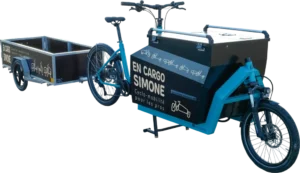
Cargo bikes have become a cornerstone of mobilité durable entreprise because they offer a unique combination of environmental and economic benefits. Unlike traditional delivery vans, cargo bikes produce no direct emissions and require significantly less energy to operate. They also allow companies to access areas where motor vehicles may be restricted, making last-mile delivery more efficient. 

In urban environments such as Nantes, cargo bikes can often travel faster than vans during peak traffic hours. They also require minimal parking space and can easily navigate narrow streets or pedestrian zones. For businesses operating in food delivery, courier services, maintenance work, or local retail logistics, cargo bikes provide a practical alternative that improves operational flexibility. 

Quelle Différence Entre Vélo Cargo Occasion et Vélo Cargo Neuf ? 

When companies decide to invest in cargo bikes as part of their mobilité durable entreprise strategy, an important question often arises: what is the difference between a used cargo bike and a new one? 

A used cargo bike can be a cost-effective solution for organizations that want to test cargo bike logistics without making a large initial investment. These bikes are typically refurbished and inspected before resale, making them accessible for smaller businesses or pilot programs. However, they may show signs of wear and may not include the latest technology or warranty coverage. 

A new cargo bike, on the other hand, offers the advantage of reliability, advanced features, and full manufacturer support. Companies purchasing new models often benefit from modern design improvements, better battery performance for electric cargo bikes, and longer service life. Although the initial cost is higher, new cargo bikes can deliver better long-term value through durability and lower maintenance requirements. 

Organizations often choose between these options depending on budget, operational intensity, and long-term logistics plans. 

The Role of Expert Support in Sustainable Mobility 

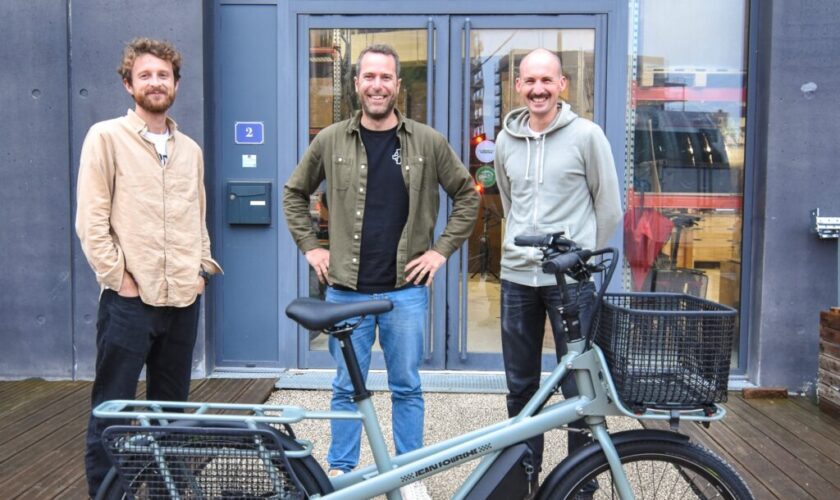
Transitioning to mobilité durable entreprise can be complex without expert guidance. This is where specialized companies like En Cargo Simone provide significant value. Based in Rezé near Nantes, the company supports businesses through the entire process of adopting cargo bike mobility. 

Their services include product demonstrations that allow companies to test different cargo bike models in real-world conditions. They also provide diagnostics to evaluate logistics needs and recommend suitable solutions. Training programs help employees adapt quickly to new mobility systems, while long-term support ensures that businesses can maintain their equipment and optimize their operations. 

By focusing on high-quality cargo bikes sourced from regional manufacturers, En Cargo Simone also contributes to the local economy while promoting environmentally responsible transportation. 

Benefits for Businesses and Urban Environments 

The advantages of implementing mobilité durable entreprise extend beyond environmental sustainability. Companies can reduce fuel expenses, avoid parking penalties, and decrease vehicle maintenance costs. Cargo bikes also enhance brand image by demonstrating a visible commitment to eco-friendly practices. 

Cities benefit as well. Fewer delivery vans on the road mean reduced traffic congestion, lower noise levels, and improved air quality. These improvements contribute to healthier and more livable urban environments while supporting local economic activity. 

Conclusion 

Adopting mobilité durable entreprise is becoming an essential strategy for organizations operating in modern urban environments. By evaluating their logistics needs, selecting appropriate transport tools, and providing proper training and support, companies can successfully transition to sustainable mobility systems. Cargo bikes represent one of the most effective solutions for reducing emissions and improving delivery efficiency. Whether businesses choose a used cargo bike for affordability or a new one for long-term reliability, both options support greener logistics. With expert assistance from specialists like En Cargo Simone in Nantes, companies can confidently implement sustainable mobility solutions that benefit both their operations and the environment. 

read more