Seed germination is one of nature’s most beautiful miracles. From something as small and simple as a seed, entire forests, colorful gardens, and nutritious crops come to life. It may seem like a slow process, but in reality, the early stages of germination happen quite quickly—often within just a few days! Watching this transformation unfold can be both educational and deeply satisfying. Whether you’re a beginner gardener, a curious student, or simply someone who loves nature, seed germination is a magical experience to witness.
What is Seed Germination?
Seed germination is the process by which a seed begins to grow into a new plant. Inside every seed lies a tiny plant embryo and the food it needs to get started. When the right conditions are met—usually water, warmth, and sometimes light—the seed “wakes up” from its dormant state and begins to grow.
This process starts with the seed absorbing water, a phase called imbibition. As it soaks up moisture, the seed swells and softens. The outer shell may crack open, allowing the embryonic root (called the radicle) to push downward into the soil. Soon after, the shoot (called the plumule) starts to grow upward, reaching for sunlight. And just like that, life begins!
The Right Conditions for Germination
Germination won’t happen just anywhere. Seeds need specific conditions to sprout successfully. Here are the key factors:
- Water: Seeds need moisture to activate enzymes that start the growth process.
- Oxygen: Germinating seeds use oxygen to break down food reserves for energy.
- Temperature: Each plant has an ideal temperature range for germination.
- Light or Darkness: Some seeds need light to germinate, while others prefer darkness.
It’s important to know the specific needs of the seeds you are planting. Following these simple requirements increases your chances of seeing quick and healthy germination.
The Stages of Germination
Understanding the stages of germination helps you appreciate the changes that take place under the soil. Here’s a quick overview:
Imbibition – The seed absorbs water and swells.
Enzyme Activation – Water triggers the activation of enzymes that convert stored food into usable energy.
Radicle Emergence – The embryonic root breaks through and anchors into the soil.
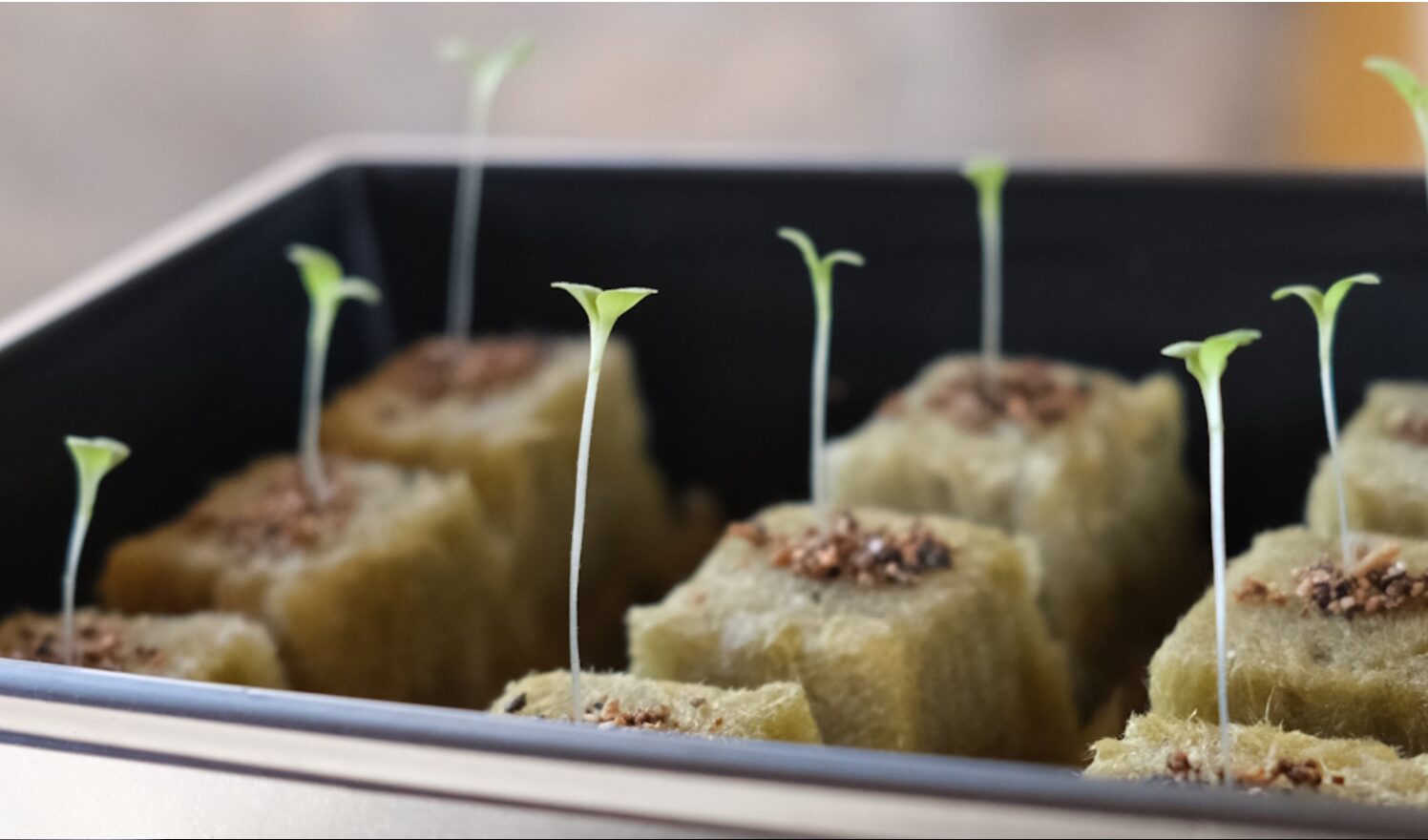
Shoot Emergence – The shoot pushes upward to reach light.
Seedling Development – The seedling grows leaves and begins photosynthesis.
Each stage brings the seed one step closer to becoming a fully developed plant.
Why Seed Germination is So Fascinating
Watching germination is like having a front-row seat to the start of life. It’s an engaging experience for both children and adults. Here are a few reasons why people find seed germination so magical:
- Visible Progress: You can often see changes within just a few days.
- Hands-On Learning: It’s a great way to learn about biology, ecosystems, and plant life cycles.
- Sense of Achievement: Watching something grow from a tiny seed into a thriving plant brings a sense of accomplishment.
- Connection to Nature: Germination offers a moment of peace, reflection, and wonder at the natural world.
Tips for Germinating Seeds at Home
If you’d like to try seed germination yourself, here are a few simple tips:
- Start with easy-to-grow seeds like beans, sunflowers, or lettuce.
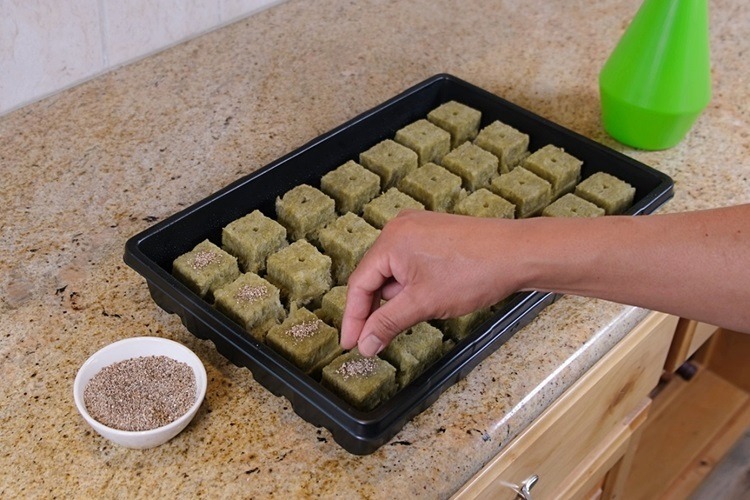
- Use a damp paper towel method or plant seeds in a shallow container with moist soil.
- Keep seeds in a warm, dark place until sprouts appear.
- Once germinated, move seedlings to a light source so they can continue growing.
Watching your seeds transform daily is a rewarding experience that doesn’t require much space or equipment.
Conclusion: Tiny Seeds, Big Wonder
Seed germination may be a small event in the grand scale of nature, but it holds a powerful lesson—great things often start small. In just a few days, you can witness the incredible journey from dormancy to new life. Whether for education, gardening, or pure enjoyment, exploring the magic of germination can reconnect you with the simple yet profound rhythms of nature. So go ahead—plant a seed, add some water, and get ready to watch life begin right before your eyes.