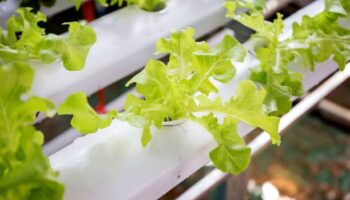

Aeroponic tower gardening has emerged as a cutting-edge solution for urban farmers and home growers, enabling lush harvests in compact spaces. By leveraging the principles of aeroponics—a subset of hydroponics—an aeroponic tower garden suspends plant roots in air and delivers a fine mist of nutrient-rich water. Compared to traditional soil cultivation and other hydroponic towers, aeroponic towers offer unmatched efficiency in nutrient uptake, oxygenation, and water reuse. This article explores the inner workings, key differences, and practical benefits of aeroponic systems while guiding you through setting up your own tower garden for rapid, sustainable yields.
How an Aeroponic Tower Operates
System Architecture
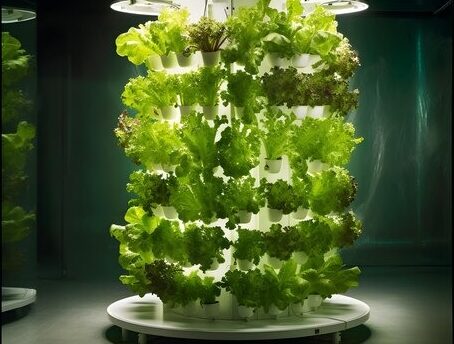
At the heart of every aeroponic tower is a closed-loop reservoir that houses the water-based nutrient solution. A submersible or external pump propels this solution upward through tubing, delivering it to the top of the vertical tower. As gravity draws the nutrient mist and droplets down, they coat the exposed root network nestled within individual planting pods. Once the solution reaches the base, it returns to the reservoir for recirculation, minimising waste and optimising resource use.
Root Aeration and Nutrient Mist
Unlike conventional hydroponic towers, which submerge roots in nutrient film or solution, aeroponic towers leave roots suspended in air. During timed irrigation cycles (for example, 15 minutes on, 45 minutes off), the fine misting encourages maximum oxygen uptake and nutrient absorption. This intermittent exposure to both air and water results in accelerated growth rates, often up to three times faster than soil-based methods.
Aeroponic Tower Garden vs. Other Hydroponic Towers
While all hydroponic towers eliminate the need for soil by delivering nutrients through water, aeroponic systems take this concept further:
- Exposure: Hydroponic towers like deep water culture or nutrient film technique maintain continuous contact between roots and solution, whereas aeroponic roots remain in air, receiving misted nutrition at intervals.
- Oxygenation: Aeroponic methods deliver superior root respiration due to unobstructed airflow, reducing the risk of root diseases.
- Precision: Nutrient dosage and misting frequency can be fine-tuned down to minutes, granting growers exceptional control over plant health and growth stages.
- Resource Efficiency: Closed-loop aeroponic tower gardens recycle over 95% of water used, outperforming even other recirculating hydroponic setups.
Advantages of Aeroponic Tower Gardening
By integrating vertical design with air-based root cultivation, aeroponic tower garden deliver a host of benefits:
- Rapid Growth: Enhanced oxygen availability and direct nutrient misting enable plants to mature up to 3× faster than soil crops.
- Water Conservation: Recirculating reservoirs reduce water consumption by over 90% compared to traditional gardening methods.
- Space Optimisation: Vertical stacking allows you to grow dozens of plants in under one square meter, making aeroponic towers ideal for balconies or indoor gardens.
- Healthier Roots: Root rot and damping-off diseases are virtually eliminated, since roots remain suspended in sterile air rather than damp soil.
Setting Up Your First Aeroponic Tower Garden
Essential Equipment
To embark on your aeroponic journey, gather these core components:
- Tower Structure: Food-grade plastic segments with integrated planting pods.
- Reservoir & Pump: A water reservoir sized to your crop load, coupled with a quiet submersible pump for reliable circulation.
- Misting Nozzles: Fine-atomizing spray heads that deliver a uniform nutrient mist.
- Timers & Controllers: Programmable timers ensure precise irrigation intervals and lighting schedules.
Environmental Parameters
Maintaining stable conditions is crucial for peak performance:
- pH Levels: Aim for a slightly acidic range between 5.5 and 6.5, checking weekly to prevent nutrient lockout.
- Temperature & Humidity: Keep ambient temperatures between 65–78°F (18–26°C) with around 60% relative humidity.
- Lighting: Position full-spectrum LED grow lights 6–10 inches from the canopy, running 12–16 hours per day for most leafy greens.
Ideal Crops for Aeroponic Tower Systems
Aeroponic tower gardens excel at cultivating a wide array of plants, especially those with compact root systems. Top candidates include: lettuce, kale, basil, parsley, and other speciality herbs. With additional support structures, vining vegetables like cherry tomatoes and cucumbers can also thrive, delivering homegrown produce in record time.
Conclusion
Aeroponic tower gardening represents a leap forward in modern cultivation, merging the benefits of soil-free growth with vertical design to maximise space, resources, and yield. Whether you’re experimenting with your first aeroponic tower or comparing different hydroponic towers, the aeroponic approach consistently delivers faster growth, water savings, and unparalleled control over plant health. By choosing an aeroponic tower garden, urban farmers and hobbyists alike can cultivate fresh, nutrient-dense produce year-round, without the mess or limitations of soil.
ALTO Garden stands at the forefront of this revolution, offering innovative tower systems designed for effortless installation, intelligent automation, and sustainable harvests—all within the comfort of your home.