


A wooden fence not only adds charm and privacy to your property but also serves as a protective boundary. However, without proper care, wood can quickly deteriorate under constant exposure to rain, sunlight, and temperature changes. This can lead to cracks, fading, and structural weakness, shortening the lifespan of your fence. That’s why applying a reliable fence sealer is an essential step in maintaining its durability and appearance. In this guide, we’ll explain why sealing your fence is important, the different types of sealers available, how to choose the right one, and tips for applying it effectively.
Why Fence Sealers Are Essential for Wood Protection
Wood is a porous material that naturally absorbs moisture. Over time, this can cause swelling, cracking, and rotting. In addition, UV rays from the sun break down wood fibers, leading to discoloration and a weakened surface. Fence sealers help in several ways:
- Prevent water absorption and reduce rotting risks
- Shield against UV rays to prevent fading
- Protect from mold, mildew, and pest infestations
- Maintain natural beauty and wood grain
- Extend the overall lifespan of your fence
Without proper sealing, even the highest-quality wood fences will eventually lose their strength and appearance.
Different Types of Fence Sealers
Choosing the right type of sealer depends on your goals and the conditions your fence faces.
Oil-Based Sealers
Oil-based sealers penetrate deep into the wood, providing long-lasting protection. They enhance the natural grain and color of the wood, making it look rich and vibrant. While effective, they can take longer to dry and may have stronger odors.
Water-Based Sealers
Water-based sealers are popular due to their eco-friendliness and ease of use. They dry faster, have lower odor levels, and are easy to clean up with soap and water. Many are formulated to resist peeling and flaking, offering strong weather protection.
Transparent, Semi-Transparent, and Tinted Sealers
- Transparent sealers highlight the wood’s natural beauty while offering clear protection.
- Semi-transparent sealers provide both protection and a slight tint for enhanced UV defense.
- Tinted sealers allow you to add color to your fence while maintaining protective qualities.
How to Select the Best Wood Fence Sealer
With so many options available, selecting the right product can feel overwhelming. Homeowners should focus on these factors:
- Durability: Look for products that last for years without frequent reapplication.
- UV Resistance: Essential for fences in sunny climates to prevent graying and fading.
- Ease of Application: Choose sealers that work with brushes, rollers, or sprayers.
- Eco-Friendly Formula: Many people now prefer products that are safer for pets, plants, and the environment.
For long-term protection, many homeowners rely on the best wood fence sealer to balance durability with strong UV and water resistance.
The Growing Demand for Sustainable Wood Sealers
Sustainability is a growing concern in home improvement. Traditional sealers sometimes contain harsh chemicals that may harm the environment. Fortunately, eco-friendly alternatives are now available. A sustainable wood sealer provides excellent protection while reducing environmental impact. These products often have low-VOC formulas, are safe for families and pets, and still deliver lasting durability. Choosing such options allows homeowners to care for their property while making an environmentally responsible decision.
Step-by-Step Guide to Applying Fence Sealer
Proper application is just as important as choosing the right sealer. Here are some tips to help you achieve the best results:
- Clean the Fence: Remove dirt, mildew, and any old finishes with a pressure washer or cleaning solution.
- Check Moisture Levels: Ensure the wood is completely dry before applying sealer to allow proper absorption.
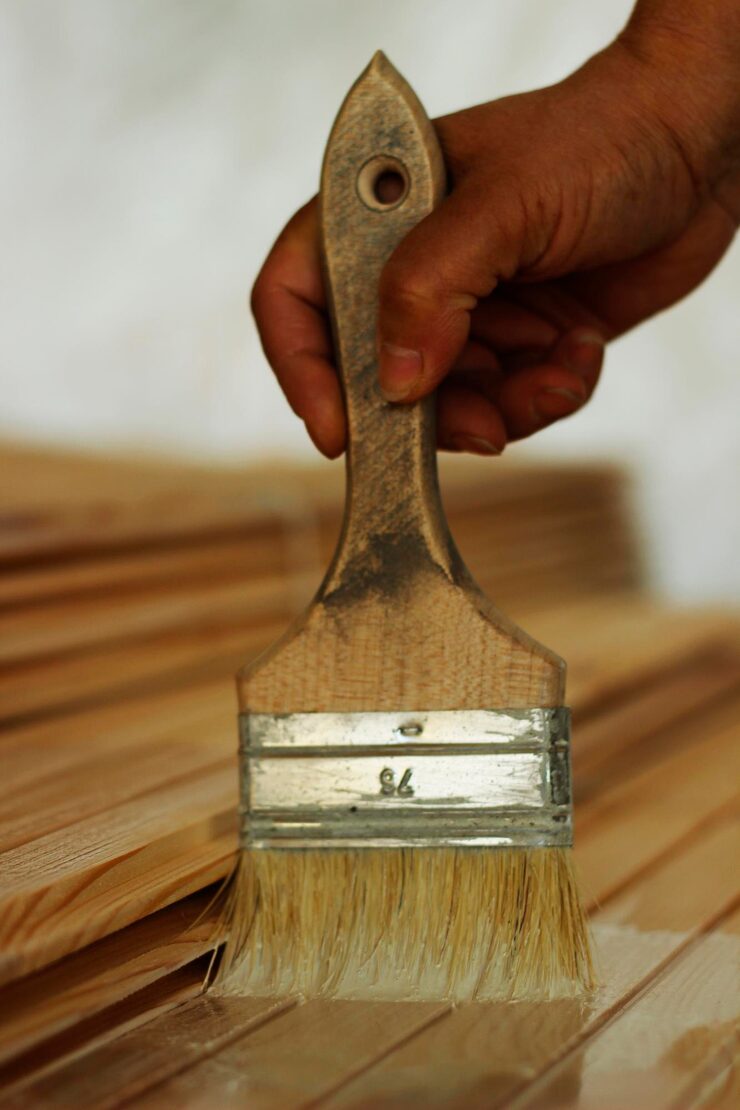
- Apply Evenly: Use a brush, roller, or sprayer to apply the sealer evenly across all surfaces.
- Cover Hidden Areas: Don’t forget edges, corners, and bottom sections that are exposed to ground moisture.
- Apply a Second Coat if Needed: Some products require more than one coat for maximum effectiveness.
- Reapply as Recommended: Depending on the product, reapply every two to three years for continued protection.
Common Mistakes to Avoid When Sealing Your Fence
Even with the right product, mistakes in application can reduce effectiveness. Avoid these pitfalls:
- Applying sealer on damp or dirty wood
- Using too much product, which may cause streaks
- Skipping reapplication, leading to premature wear
- Ignoring shaded or hidden areas of the fence
By avoiding these errors, you ensure that your fence remains well-protected and visually appealing.
Cost vs. Value of Fence Sealers
While some homeowners hesitate due to cost, investing in a quality sealer saves money long term. Replacing a damaged fence can be significantly more expensive than regular maintenance. A quality sealer preserves your fence, reduces repairs, and increases property value.
Conclusion
A wood fence is a valuable investment, and protecting it with the right sealer ensures it lasts for years. From oil-based to water-based options, and from tinted to eco-friendly solutions, there are products for every need. The key is choosing a sealer that provides durability, UV protection, and ease of use. Whether you opt for a premium product or a sustainable wood sealer, maintaining your fence with regular applications will keep it strong and beautiful. Protecting your fence today means enjoying privacy, security, and curb appeal for many years to come.