
Kitchen floors get more abuse than just about any other surface in a house. From daily cooking and cleaning to constant foot traffic, the floor has to endure spills, heat, and heavy appliances. Traditional materials such as tile, laminate, or wood can become worn over time, particularly in households that make heavy use of the kitchen.
This is part of the reason we have seen epoxies making waves in a kitchen floor context amongst homeowners and designers. Famed for its strength and smooth finish, epoxy forms a durable layer that’s resistant to even the most demanding kitchen environments. When properly installed, it provides a blend of durability, cleanliness, and aesthetics that many contemporary kitchens need.
What Is Epoxy Kitchen Flooring and How Does It Work?
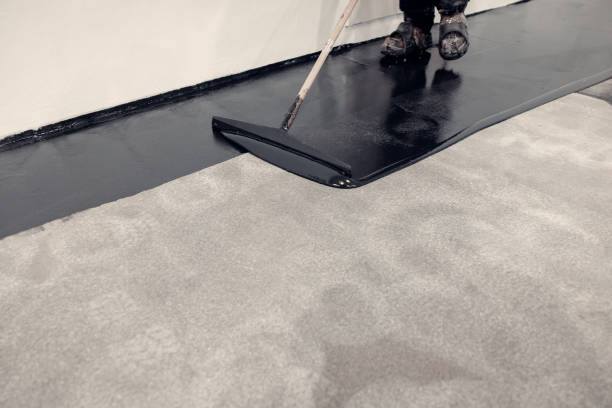
An epoxy floor is made by a chemical reaction between the resin and a hardening agent. When combined and applied to a properly-prepared surface, these components create a resilient coating that adheres firmly to the substrate floor.
The Installation Process
Proper preparation is the key to a successful epoxy floor. Before an appropriate coating is applied to the existing surface, it must be clean, smooth, and structurally sound.
Typical installation steps include:
- Preparing and cleaning the concrete floor
2. Repairing cracks or uneven areas
3. Applying primer and epoxy layers
4. Curing the coating in full
When cured, the epoxy creates a solid bond to the distribution of and protects the surface from general wear.
Plain Floors: Why They Matter in a Kitchen
Most flooring materials depend upon seams or grout lines. These spaces can collect grease, moisture, and food over time.” This problem can be solved with epoxy flooring, as they provide a seamless surface throughout your entire floor.
This seamless design has several advantages:
- Fewer places for dirt and bacteria to build up
2. Easier cleaning and maintenance
3. A smooth and modern appearance
For kitchens that see daily cooking and cleaning, this is a feature that can make everyday maintenance so much easier.
Real-World Benefits for the Kitchen In Practice
Kitchen flooring needs to stand strong under intense conditions. Unlike some common flooring types, epoxy coatings are resistant to problems such as:
Resistance to Spills and Stains
Cooking frequently includes oils, sauces, and liquids that can carry stains on porous materials. Epoxy kitchen flooring creates a surface that does not allow moisture to penetrate.
Epoxy resists common kitchen spills, such as:
- Cooking oils and grease
2. Coffee or tea
3. Water from sinks or appliances
4. Household cleaning solutions
Because liquids don’t penetrate, they can be quickly wiped away before they do damage.
Low-Maintenance Cleaning
Homeowners love epoxy floors for another reason: the upkeep routine is easy to maintain. Without grout lines or textured seams, there’s less space for dirt to build up.
Routine maintenance usually involves:
- Sweeping or Vacuuming to Remove Debris
2. Mopping with mild cleaning solutions
3. Cleaning up spills as they happen
This simple process helps keep the kitchen looking clean without major upkeep.
The Reason Epoxy Flooring Is Popular in New Jersey Homes
In addition, climate conditions factor into whether flooring materials perform over the long run. In places like New Jersey, summer humidity and temperature shifts can impact some surfaces.
Stability in Changing Weather Conditions
Humidity can cause wood flooring to expand or warp, and as temperatures swing up and down, tile grout may crack. Instead, epoxy flooring adheres directly to the concrete substrate for a strong surface that prevents these problems.
Homeowners searching for epoxy kitchen flooring nj may find this stability to be an added benefit. The material preserves its structure despite changes in the environment during the seasons.
Design Flexibility for Modern Kitchens
Epoxy flooring is sometimes thought of in terms of industrial spaces, a perception that modern techniques are turning on its head: the stuff works beautifully in residential kitchens, too. For example, the right finish can allow epoxy floors to fit into almost any design aesthetic.
Popular Decorative Finishes
Epoxy coatings can be formulated for various visual properties. Some popular options include. Solid color finishes for a smooth, minimalistic design. That’s right and heavy-duty paint plus decorative flake coatings that will lend layers and depth. Marble-like effects with metallic epoxy finishes
Patterns inspired by stone that mimic natural materials
Since epoxy goes on as a liquid and cures, installers can create custom designs that are hard to replicate using traditional flooring materials. The average epoxy floor features a shiny surface that can be beneficial for spreading light in a room. This reflective quality can create the illusion of a brighter, more spacious kitchen, especially within smaller kitchens that have limited natural light. Epoxy flooring, with its modern sheen, plays well with new cabinetry and countertops to create a harmonious yet contemporary kitchen space.
Long-Term Durability and Value
When it comes to selecting the proper kitchen floor, durability is usually a long-term consideration. A surface that can last for a long time period saves frequent repairs or replacements.
Built for Heavy Use
When fully cured, epoxy creates a strong protective coating that withstands heavy appliances and frequent foot traffic. When installed correctly, epoxy floors protect against scratches, impacts, and many household chemicals.
Safety Features for Busy Kitchens
Kitchen floors tend to be slippery when liquids drip. Various epoxy systems enable slip-resistant additives to be integrated during installation. These additives are intended to boost traction while keeping the floor’s sleek appearance, hopefully offering a safer surface for regular cooking and cleaning.
Conclusion
Outdoor floorings have to provide cleanliness, durability, and design altogether. The surfaces that look appealing in the showroom are not always able to withstand the rigors of daily life, which include spills, heavy appliances, and moving feet.
Epoxy kitchen flooring is a practical solution providing answers for many of these worries. Its nonporous, seamless surface is stain-resistant, easy to clean, and offers long-term performance. Meanwhile, contemporary design possibilities have made it possible for epoxy floors to enhance many different kitchen époustouflant styles.