
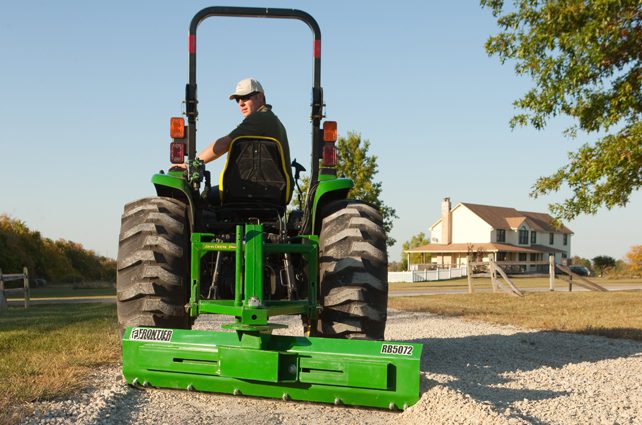
Maintaining a beautiful home exterior isn’t just about landscaping or painting; your driveway plays a huge role in first impressions. A well-kept driveway not only enhances curb appeal but also ensures safety and longevity. If your driveway is riddled with potholes, uneven surfaces, or loose stones, it might be time for a professional approach to gravel driveway repair. This guide will walk you through practical tips, simple maintenance tricks, and expert advice to restore your driveway to its former glory.
Understanding the Need for Gravel Driveway Repair
Driveways endure a lot from daily vehicle traffic to harsh weather conditions. Over time, even the sturdiest gravel can shift, creating uneven patches and erosion. Ignoring these issues can lead to bigger problems, including water pooling, structural damage, or even vehicle wear and tear.
One of the main advantages of gravel is its flexibility; it can be easily reshaped, replenished, or repaired without the cost of paving or concrete work. However, understanding the basics of gravel driveway repair ensures you don’t just patch the surface but create a longlisting solution that minimizes future issues.
Common Issues That Require Gravel Driveway Repair
Before diving into solutions, it’s important to recognize the most common problems:
- Potholes and depressions TheseThis form due to repeated vehicle pressure and water erosion. Filling them promptly prevents them from enlarging.
- Ruts and uneven surfaces Heavy vehicles often create grooves in the gravel, leading to water accumulation and potential hazards.
- Over time, gravel gets displaced or compacted, reducing coverage and protection.
Addressing these issues early not only restores functionality but also enhances safety for pedestrians and vehicles.
Step-by-step Guide to Effective Gravel Driveway Repair
Repairing a gravel driveway doesn’t have to be daunting. Here’s a friendly, step-by-step approach:
- Assess the damage- Walk your driveway and mark potholes, ruts, or thin areas. This will help you estimate the amount of gravel and tools needed.
- Remove debris- Clear leaves, dirt, and old loose stones from problem areas. This ensures the new gravel bonds properly.
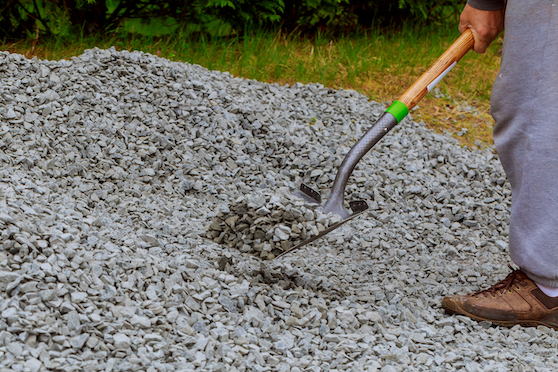
- Fill low spots- Add fresh gravel to potholes or sunken areas, then compact using a hand tamper or roller.
- Level and grade- Use a rake to evenly distribute gravel, maintaining a gentle slope for water runoff.
- Consider edging – Installing borders or timber edges helps keep gravel contained and reduces the risk of spreading.
- Pro Tip: Using a mix of different gravel sizes improves compaction and durability, making future gravel driveway repair easier.
Maintenance Tips to Keep Your Gravel Driveway Pristine
Even after a successful repair, maintenance is key. Regular upkeep prevents costly repairs in the future. Some practical tips include:
- Periodically adding fresh gravel to high traffic areas.
- Raking the surface to maintain an even layer and prevent depression.
- Installing proper drainage to avoid water pooling that erodes the gravel.
A little effort each season goes a long way in maintaining a smooth, durable driveway.
Conclusion: Invest in Longevity with Professional Gravel Driveway Repair
A well-maintained driveway not only adds value to your home but also ensures safety and aesthetic appeal. Whether you tackle gravel driveway repair yourself or hire professionals, understanding the basics of damage assessment, repair steps, and ongoing maintenance can save time and money.