When building a raised bed, most gardeners focus on soil quality and plant care, but the structure itself is just as important. A garden box exposed to soil and moisture can break down quickly without the right protection. The challenge is finding a wood sealer that prevents damage without introducing harmful chemicals into your garden. Fortunately, safe and eco-friendly options exist that keep your wood strong while protecting your plants and soil.
Why Wood Sealers Are a Must for Raised Beds
Untreated wood in a garden bed absorbs water, attracts mold, and can decay within a couple of seasons. A quality sealer creates a shield that resists rot, pests, and weathering. This not only extends the life of your garden bed but also saves money over time. For gardeners who want a reliable, long-lasting structure, sealing is not optional—it’s essential.
Choosing Non-Toxic Options for Safety
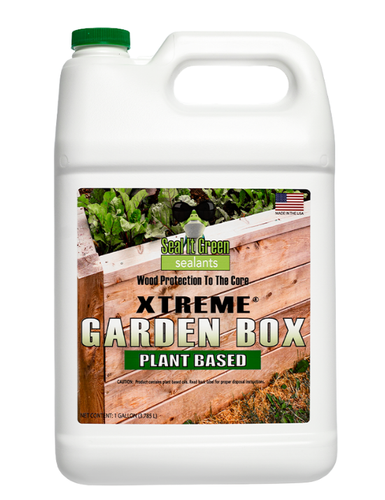
Traditional sealers often contain harsh chemicals that can leach into soil. For edible gardens, this poses a serious health risk. The better alternative is a non-toxic wood sealer for garden bed designed specifically for food-safe gardening. These products use natural ingredients to create a barrier that keeps wood protected without contaminating the soil. Gardeners who value organic practices find these sealers to be the safest choice for growing vegetables and herbs.
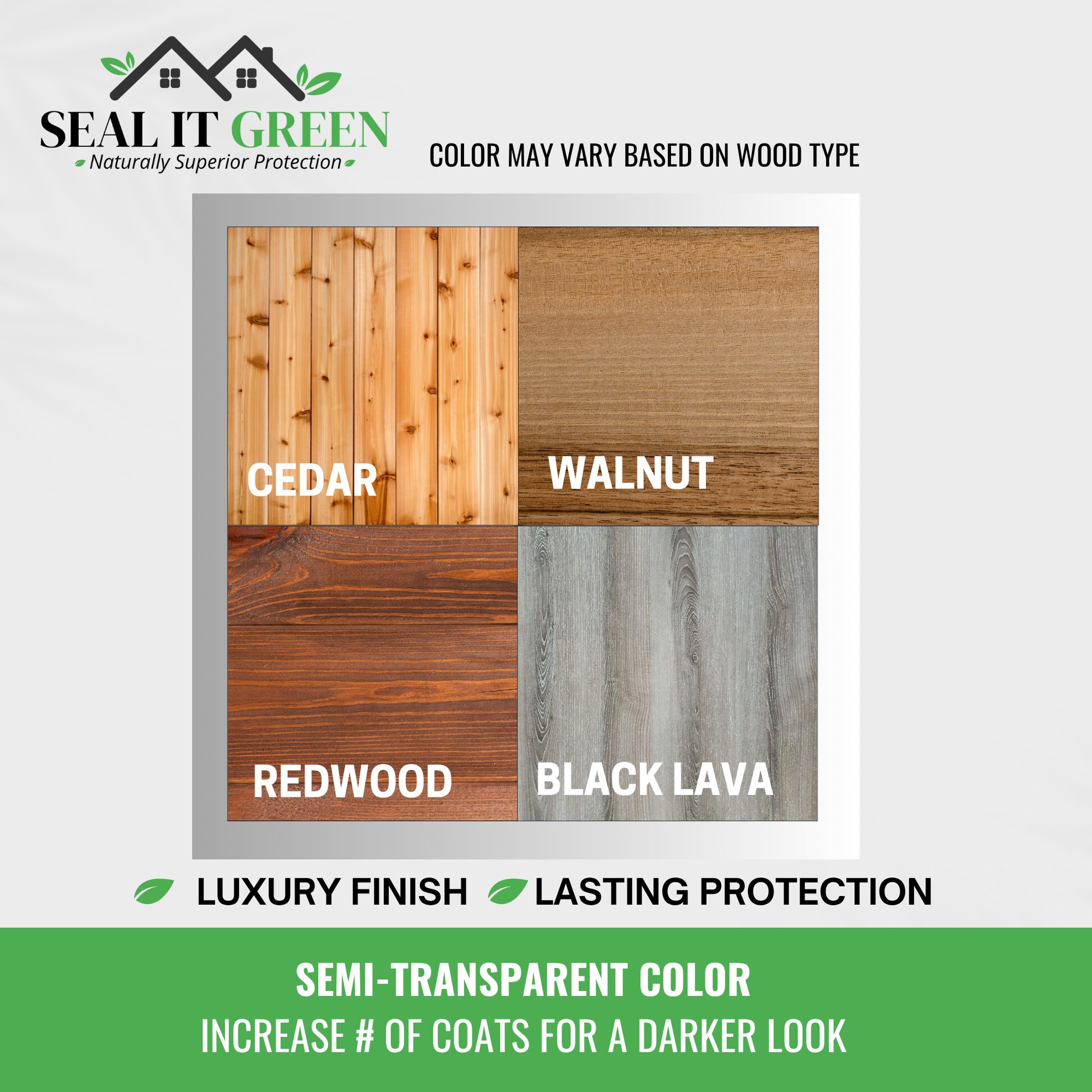
The Eco-Friendly Advantage of Sustainable Sealers
A sustainable wood sealer offers more than just wood protection—it supports eco-conscious living. Made from renewable resources, these sealers are biodegradable and safer for the environment. They provide the same durability as synthetic products but without the environmental impact. For gardeners looking to reduce their carbon footprint, sustainable options align perfectly with green living values.
Application Tips for Best Results
Getting the most from a wood sealer requires proper application. Start by cleaning the wood and ensuring it’s dry. Apply the sealer evenly with a brush, making sure corners and edges are covered. Allow it to soak in and dry fully before filling the bed with soil. Reapplying every one to two years maintains protection and prevents long-term damage.
Benefits That Go Beyond Durability
The right sealer doesn’t just protect your wood—it also supports plant health. By avoiding chemicals, you keep soil safe for crops, pollinators, and beneficial microbes. A sealed garden box also looks better over time, resisting discoloration and weather wear. For families with children and pets, using a safe sealer adds another layer of reassurance.
Why Gardeners Prefer Safer Sealers Today
As more people grow their own food, the demand for safer gardening solutions is rising. Non-toxic and sustainable sealers fit perfectly into this trend, offering peace of mind and long-term value. They reflect a larger movement toward organic, eco-friendly gardening practices that prioritize health, safety, and sustainability.
Conclusion
Protecting your garden box with a safe wood sealer is one of the best investments you can make for your garden’s future. By choosing non-toxic and sustainable options, you safeguard your crops, extend the life of your raised beds, and support eco-friendly practices. A small step like this ensures your garden remains productive, safe, and environmentally responsible for years to come.