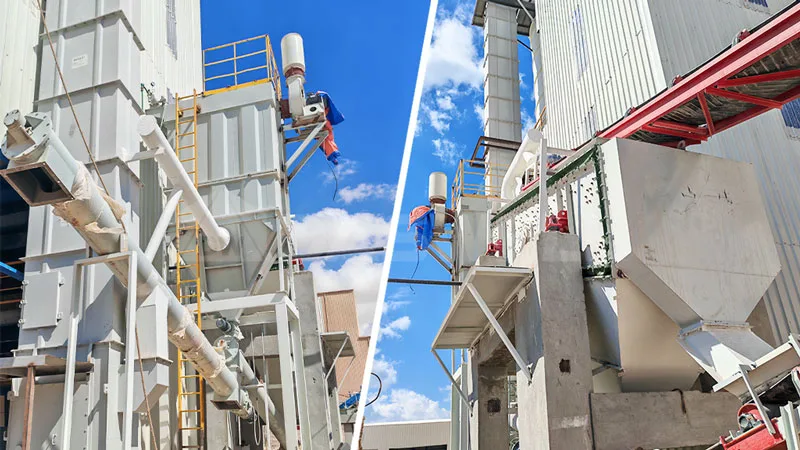
Modern industries require reliable mineral processing solutions that can support large-scale production while maintaining high product quality. A professionally engineered calcium carbonate plant is essential for producing premium mineral powders used in industries such as plastics, paper, paints, coatings, pharmaceuticals, rubber, and construction materials. With innovative grinding technologies, automated systems, and high-capacity milling equipment, manufacturers can achieve consistent production efficiency and superior powder quality.
As industrial demand continues to rise globally, companies are searching for advanced production facilities capable of delivering high-volume output without increasing operational costs. Modern calcium carbonate manufacturing systems are designed to optimize productivity, reduce downtime, and improve energy efficiency. By combining advanced engineering with automation, manufacturers can scale operations effectively while maintaining stable product performance across different industrial applications.
Understanding Calcium Carbonate Processing
Calcium carbonate is one of the most commonly used industrial minerals worldwide. It is mainly derived from natural limestone, marble, and chalk deposits. After extraction, the raw material undergoes several stages of processing to create fine and ultra-fine powders suitable for industrial use.
The Production Process Typically Includes:
- Crushing and feeding
- Grinding and milling
- Air classification
- Surface treatment
- Product storage and packaging
Each stage plays a crucial role in ensuring product consistency and quality. Advanced processing systems help manufacturers achieve precise particle size distribution, higher purity levels, and improved powder performance.
Calcium carbonate powders are highly valued because they improve product durability, brightness, smoothness, and manufacturing efficiency across multiple industries.
Importance of High-Volume Production Facilities
Large-scale industrial manufacturing requires production systems that can handle high output while maintaining stable operational performance.
Efficient Large-Scale Production
Modern processing systems are designed to produce large quantities of mineral powders efficiently without compromising quality standards.
Energy-Efficient Operations
High-capacity milling systems reduce energy consumption and improve overall production efficiency, helping businesses lower manufacturing expenses.
Improved Automation
Automated systems reduce manual intervention and improve production speed, allowing manufacturers to meet market demand more effectively.
Consistent Product Quality
Advanced monitoring technologies ensure stable particle size distribution and product consistency during large-scale operations.
Industries increasingly rely on efficient and scalable mineral processing facilities to remain competitive in global markets.
Advanced Machinery Used in Modern Plants
State-of-the-art manufacturing facilities use advanced machinery and automation technologies to improve production quality and operational reliability.
Precision Grinding Mills
Modern grinding mills are engineered to produce ultra-fine powders with excellent precision and high production output.
Automated Feeding Systems
Automated material feeding systems improve workflow efficiency and reduce operational interruptions.
Air Classification Technology
Air classifiers help separate particles accurately according to size, ensuring consistent product quality.
Surface Treatment Systems
Surface treatment systems improve powder compatibility for plastics, paints, and specialty industrial applications.
Real-Time Monitoring Systems
Real-time monitoring and automated controls improve operational performance and reduce maintenance requirements.
Many industrial manufacturers prefer sourcing products from technologically advanced calcium carbonate plants because they provide scalable production capabilities and dependable quality standards.
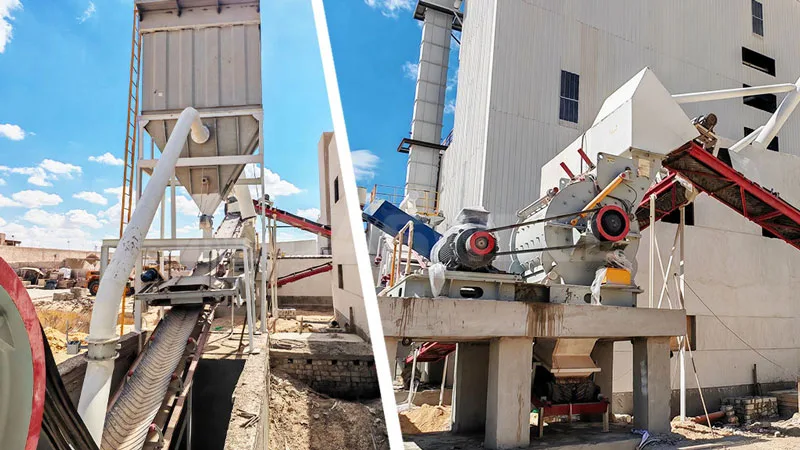
Applications Across Industrial Sectors
Calcium carbonate powders are widely used in several industries because of their versatility and cost-effectiveness.
Plastics Industry
Plastic manufacturers use calcium carbonate fillers to improve rigidity, dimensional stability, and impact resistance while reducing raw material costs.
Paper Industry
Paper companies use calcium carbonate to improve brightness, printability, and surface smoothness in paper products.
Paints and Coatings
Paint manufacturers rely on calcium carbonate powders to enhance opacity, coating consistency, and durability.
Rubber Industry
Rubber products benefit from improved flexibility, wear resistance, and tensile strength through the use of calcium carbonate fillers.
Construction Industry
Construction industries use calcium carbonate in cement, adhesives, flooring materials, and sealants because it improves durability and processing efficiency.
Pharmaceutical Industry
High-purity calcium carbonate is commonly used in pharmaceutical tablets, dietary supplements, and food-grade products due to its safe chemical properties.
The broad range of industrial applications continues to increase demand for advanced mineral processing systems worldwide.
Benefits of Automated Processing Systems
Automation has become an important part of modern industrial manufacturing. Automated systems improve production efficiency and help businesses maintain stable operational performance.
Improved Production Consistency
Automated controls reduce human error and improve consistency throughout the manufacturing process.
Reduced Downtime
Intelligent monitoring systems identify operational issues quickly and help prevent unexpected equipment failures.
Optimized Resource Utilization
Automation helps optimize raw material usage and minimize production waste.
Faster Production Workflows
Automated workflows improve production speed and reduce labor-intensive processes.
Enhanced Workplace Safety
Modern automation systems improve workplace safety by reducing manual handling and improving process control.
These advantages help manufacturers improve profitability and support long-term industrial growth.
Sustainable Manufacturing Practices
Sustainability has become a major focus in industrial mineral processing. Modern facilities are adopting cleaner production methods to reduce environmental impact and improve operational efficiency.
Energy-Efficient Milling Systems
Advanced grinding equipment consumes less electricity while delivering higher production output.
Dust Filtration Technology
Modern dust filtration systems improve air quality and support environmental compliance.
Waste Reduction
Efficient production methods reduce material waste and improve resource utilization.
Environmentally Responsible Operations
Environmentally responsible processing systems help companies lower emissions and maintain sustainable operations.
Manufacturers investing in sustainable technologies often benefit from improved efficiency and stronger market credibility.
Future Trends in Calcium Carbonate Production
The calcium carbonate industry continues to evolve through innovation and advanced engineering technologies.
AI-Driven Automation
AI-driven automation systems improve production monitoring, process control, and operational efficiency.
Ultra-Fine Powder Development
Demand for finer particle sizes is increasing in high-performance industrial applications.
Advanced Surface Modification
New coating technologies improve powder compatibility with specialized materials and industrial compounds.
Eco-Friendly Production Technologies
Manufacturers are investing in low-energy systems and environmentally friendly technologies to support future industrial growth.
These advancements are helping manufacturers improve product quality, reduce operational costs, and meet changing global market demands.
Conclusion
A modern calcium carbonate processing facility is essential for industries seeking high-volume production, reliable product quality, and advanced manufacturing efficiency. Innovative grinding systems, automated processing technologies, and robust milling equipment allow manufacturers to improve productivity while maintaining superior mineral powder performance.
By investing in advanced production facilities, businesses can reduce operational costs, support sustainable manufacturing, and meet the growing demands of industries such as plastics, paper, paints, rubber, construction, and pharmaceuticals. As industrial technologies continue to evolve, advanced calcium carbonate manufacturing systems will remain critical for supporting efficient and scalable global production.
FAQ
1. What is the purpose of a high-volume calcium carbonate plant?
A high-volume calcium carbonate plant is designed to produce large quantities of mineral powders efficiently while maintaining consistent product quality.
2. Which industries benefit from calcium carbonate fillers?
Industries such as plastics, paper, paints, rubber, construction, and pharmaceuticals commonly use calcium carbonate fillers.
3. How do automated calcium carbonate plants improve efficiency?
Automated plants improve production speed, reduce downtime, optimize resource usage, and maintain stable product quality through advanced monitoring and control systems.