
It is the end of the quarter, and the spreadsheet says you have 240 units of your best-selling item on the shelf. Your warehouse team counts 212. Nobody is sure where the missing 28 went, and now someone has to give up a weekend to find out. If that sounds familiar, you are in good company. Stock errors are one of the most common and most expensive headaches for any business that holds physical goods, and most of them trace back to the same quiet source: too much manual work.
The good news is that you do not need a bigger team to fix it. With the right approach to rfid inventory management, most businesses can get cleaner records while actually doing less hands-on counting than before. Here is how that works in plain terms.
Why Stock Errors Keep Happening
Most inventory mistakes are not dramatic. Nobody is sneaking out with pallets. The errors come from small, ordinary moments that pile up over time.
A worker types a quantity wrong at the end of a long shift. An item gets moved to a different shelf and never updated in the system. A shipment arrives and gets logged a day late. A barcode is smudged, so someone enters the number by hand and swaps two digits. Each of these takes a few seconds and feels harmless.
But inventory records are only as good as the last person who touched them. When hundreds of small touches happen every day, the gap between what the system says and what is physically on the shelf keeps growing. Eventually you get stockouts on items you thought you had, overstock on items you did not need, and a lot of time spent arguing with your own numbers.

What RFID Does Differently
Traditional barcodes need someone to line up a scanner with each label, one item at a time. If the label is damaged, hidden, or facing the wrong way, the scan fails. It works, but it depends heavily on a person doing the same careful task over and over.
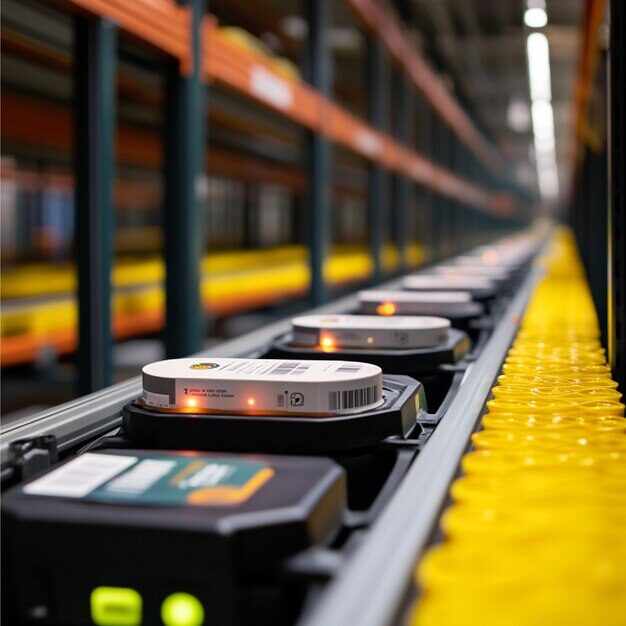
RFID uses small tags that send out a signal when a reader is nearby. The reader does not need a clear line of sight, and it can pick up many tags at once. Instead of scanning a shelf item by item, a worker can walk down an aisle and capture hundreds of tags in the time it used to take to scan a handful.
That single difference changes the whole rhythm of counting. The system collects data faster, with fewer chances for human slipups, and it does not rely on anyone remembering to update a record. The tag and the reader do the remembering.
How It Cuts Errors Without Adding Work
This is the part many business owners worry about. New technology often sounds like new tasks, new training, and new things to babysit. Done well, RFID tends to go the other way.
First, counts get faster. A full physical count that once took a team several days can often be finished in hours, which means fewer people pulled away from their normal jobs. Second, data entry mostly disappears. Because the reader captures information automatically, there are far fewer chances for typos or skipped steps.
Third, you can count more often without much pain. Instead of one big, stressful annual count, many teams move to regular cycle counts that take minutes. Small discrepancies get caught while they are still small, rather than snowballing into a month-end mystery.
Fourth, records stay closer to reality. When items move through a doorway or between zones, readers can log that movement without anyone stopping to scan. The result is a system that reflects what is actually happening in the building, not what happened yesterday.
None of this removes the need for good people. It simply takes the repetitive, error-prone parts of their day and hands them to a tool built for the job.
What a Smooth Setup Looks Like
The word implementation can sound intimidating, but the process is usually more practical than people expect. A sensible rollout tends to follow a few steps.
It starts with understanding your space and your goods. What are you tracking? Where does it move? Metal shelving, liquids, and dense packaging can all affect how tags perform, so the right tag type and placement matter more than most people realize.
Next comes a clean baseline. Before tags go on, you want an accurate starting count and a tidy master list of what you own. This step feels slow, but it is what makes everything after it trustworthy. Skipping it just means you carry old errors into a new system.
Then comes tagging and testing. Items, bins, or assets get labeled, readers get placed where they make sense, and the team runs real scenarios to see what works. Small adjustments here save a lot of frustration later.
Finally, your team gets simple, practical training. The goal is not to turn everyone into a technician. It is to make sure people know how to read a result, spot something odd, and who to call when needed. Many businesses lean on an experienced partner for this because it keeps the rollout from turning into a side project that quietly stalls.
Mistakes Worth Avoiding
A few missteps come up again and again. The first is buying equipment before defining the problem. RFID is a tool, and it works best when you know exactly which errors you are trying to remove.
The second is skipping the baseline count. Tagging messy records just gives you faster access to messy data. The third is ignoring the physical environment. A setup that looks great on paper can struggle if nobody tested it near metal racks or in a busy loading area.
The fourth is treating it as a one-time install. Even the best system needs occasional review as your products, layout, and volume change. A short check every few months keeps accuracy high without turning into a big project.
Who Benefits Most
Almost any business that handles physical stock can benefit, but a few see especially strong results. Manufacturers use it to track parts and work in progress. Retailers use it to keep shelves accurate and cut down on out-of-stock moments. Logistics teams use it to follow goods through busy facilities. Pharmaceutical and electronics companies use it where traceability and precision matter most.
If your team spends a lot of time counting, correcting, or explaining why the numbers do not match, that is a good sign RFID deserves a closer look.
Conclusion
Stock errors rarely come from carelessness. They come from asking people to do repetitive manual work perfectly, every day, for years. RFID changes that by capturing data automatically, speeding up counts, and keeping records closer to what is truly on your shelves. The result is fewer surprises, fewer weekends lost to recounts, and more confidence in every number you rely on. If your current process feels like it takes more effort than it should, a clear plan and the right support can make the switch far simpler than it sounds.