Outdoor tiles add charm and functionality to patios, walkways, and pool areas, but exposure to the elements can lead to fading, staining, and surface damage. If you’re wondering how to make your outdoor tiles last longer without costly replacements, sealing is the solution. This guide will show you how to protect your tile surfaces the right way using reliable methods and products, so you can extend their life and preserve their beauty.
Why Sealing Outdoor Tiles Is Important
Outdoor tiles are constantly exposed to moisture, sunlight, dirt, and even chemicals like chlorine. Without a proper sealant, these surfaces absorb water, develop mold, or crack over time due to temperature fluctuations. Sealing your tiles creates a protective barrier that repels water and stains, enhances the tile’s color, and reduces maintenance needs.
Benefits of Sealing Outdoor Tiles:
- Prevents water damage and efflorescence
- Protects against stains from leaves, mud, and spills
- Reduces fading from UV rays
- Makes cleaning easier and less frequent
- Extends the life and appearance of your tile surfaces
Choosing the Right Tile Sealer
There are different types of tile sealers available, such as penetrating sealers and surface sealers. For outdoor use, penetrating sealers are often recommended because they soak into the tile and grout, offering deep protection without changing the tile’s appearance. Surface sealers, on the other hand, create a visible layer and can sometimes enhance gloss or color.
Look for these key features when selecting an outdoor tile sealer:
- UV resistance
- Water repellency
- Non-yellowing formula
- Safe for stone, concrete, and ceramic tiles
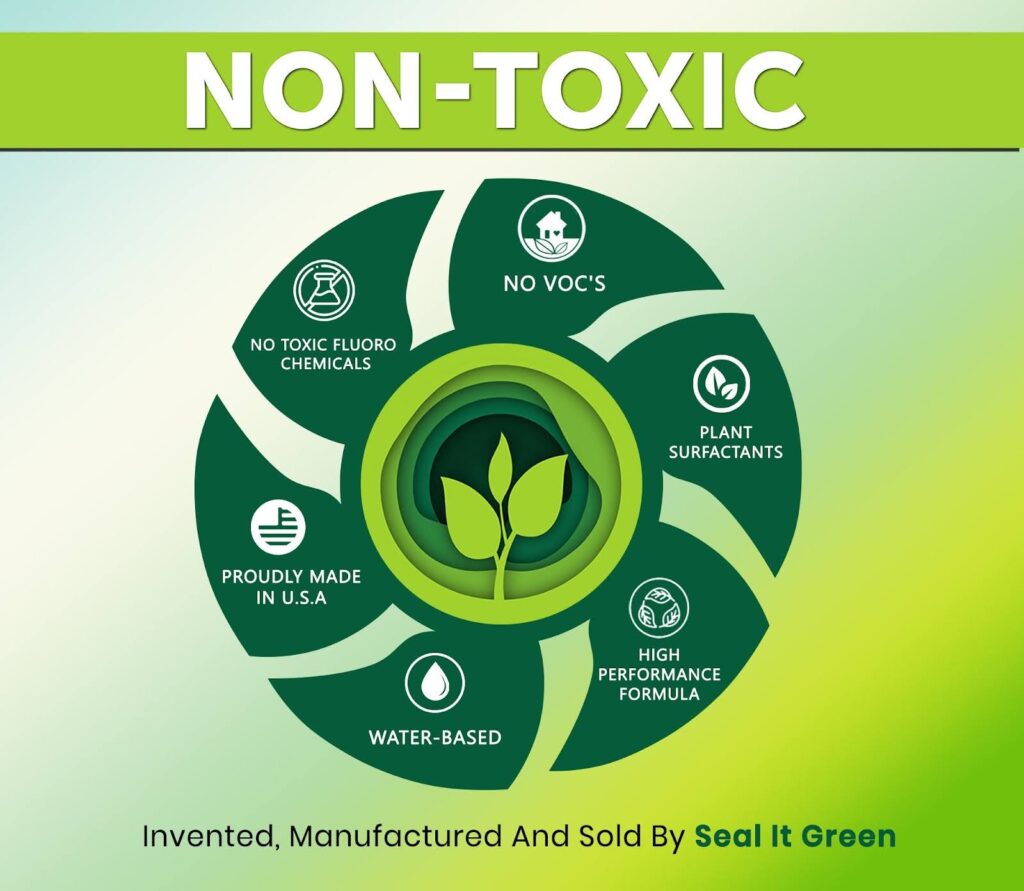
- Eco-friendly ingredients
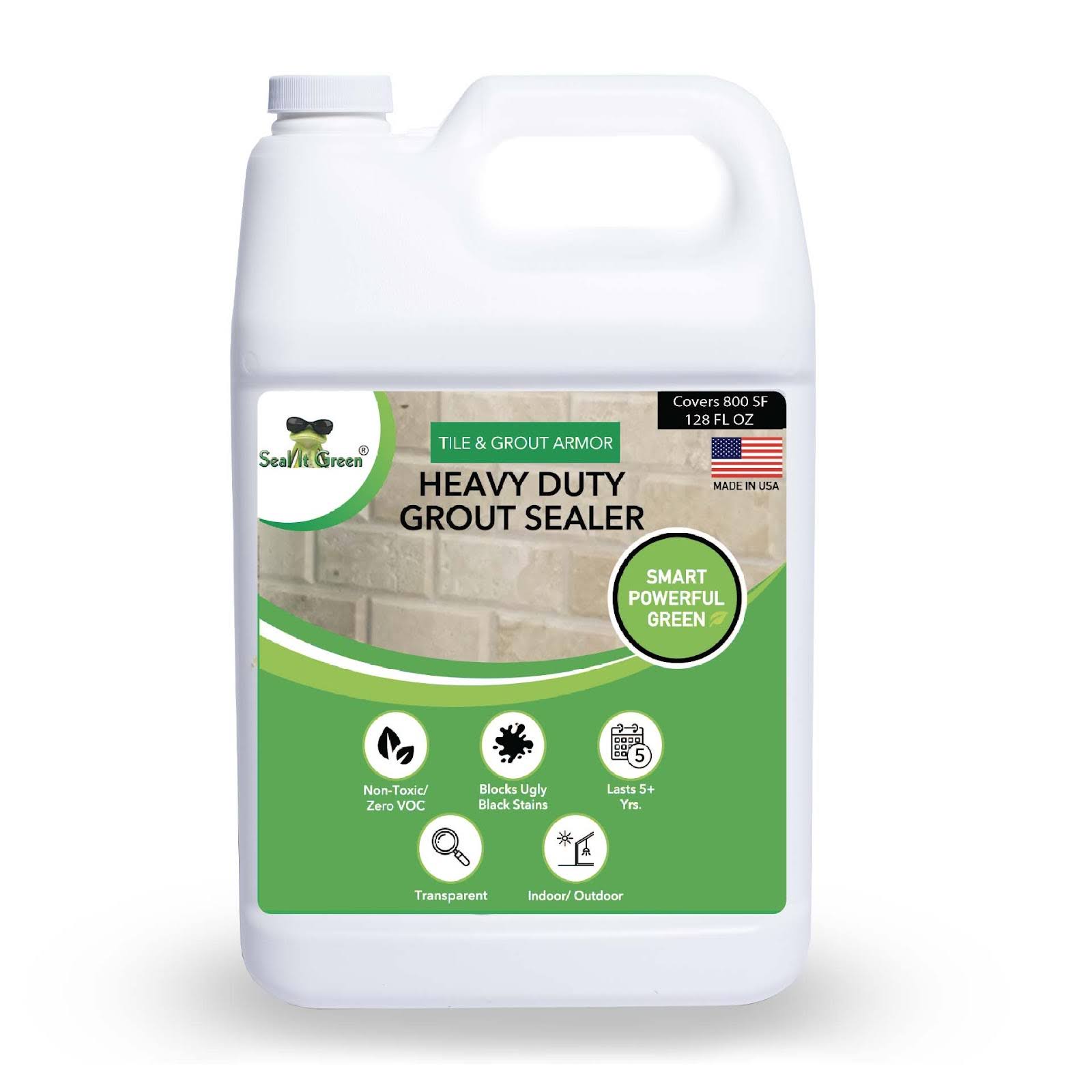
If you’re unsure where to start, consider outdoor tile sealer products specially designed for patio and walkway surfaces. These are made to handle harsh outdoor conditions while remaining safe for surrounding landscaping.
How to Prepare Tiles Before Sealing
Preparation is critical to achieving a long-lasting seal. Here’s how to prep your tiles:
- Clean Thoroughly:
Remove all dirt, mold, and residue using a gentle but effective tile cleaner. Use a stiff brush to scrub the surface. Make sure to clean the grout lines thoroughly, as dirt here can cause sealers to bond improperly. - Dry Completely:
Let the surface dry for at least 24–48 hours before applying any sealer. Moisture under the sealer can lead to cloudiness or failure of adhesion. - Test a Small Area:
Before applying sealer to the whole surface, test a small inconspicuous area to ensure it does not alter the tile’s appearance more than desired.
For better results, using a pH-neutral cleaner concentrate before sealing can ensure that no residues are left behind, which might otherwise block the sealer from penetrating the surface.
Applying the Sealer Correctly
Follow the product’s instructions carefully. In general:
- Use a pump sprayer, roller, or brush to apply the sealer evenly.
- Avoid puddling; excess sealer can leave a sticky residue.
- Allow the first coat to absorb fully (usually 15–30 minutes), then apply a second coat if needed.
- Keep the area dry for at least 24 hours after application.
Avoid applying sealer during wet or extremely hot weather, as this can affect how well it cures.
Maintaining Sealed Outdoor Tiles
Even after sealing, outdoor tiles require routine maintenance. Sweep regularly to prevent dirt buildup. Rinse with water to remove surface dust. Reapply sealer every 1–3 years depending on the product used and the wear the tiles endure.
Summary: Preserve Your Outdoor Surfaces with Confidence
Sealing outdoor tiles is a simple yet powerful way to protect your investment. With the right preparation and products, you can extend the life of your patio, walkway, or pool area without replacing tiles. Remember, the key lies in choosing a reliable sealer, preparing the surface properly, and performing routine maintenance.
To keep your tiles looking new for years while protecting them from moisture and stains, consider switching to a sustainable wood sealer that’s both eco-friendly and highly effective for outdoor use.
With this guide in hand, you’re now ready to seal, protect, and enjoy your outdoor tiles for seasons to come.