






close

business

businessServices

Why Is Legionella Compliance Essential for Modern Building Safety?

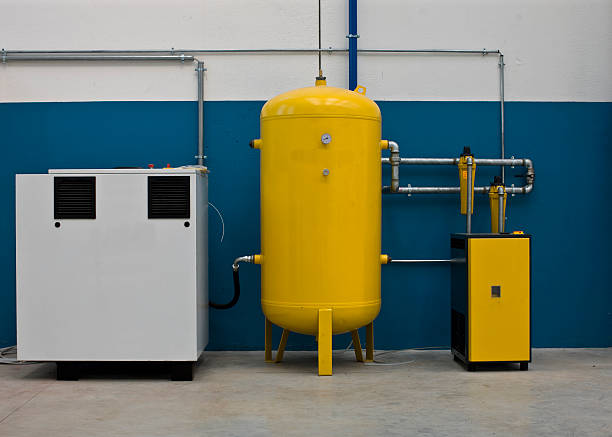
Waterworks plant Water production sources are water tanks used to treat tap water for distribution to people in cities or communities.

Water safety has become a critical responsibility for property owners, facility managers, and organizations. Among the many risks associated with water systems, Legionella bacteria remain one of the most serious concerns. These bacteria can multiply in poorly maintained water systems and potentially lead to severe respiratory illnesses.

As regulations continue to evolve, businesses and property managers must understand the importance of maintaining safe water conditions. Effective monitoring, routine inspections, and preventative measures help reduce risks while protecting building occupants. Understanding the role of compliance is not only about meeting legal obligations but also about creating healthier environments for everyone.

Understanding Legionella Compliance and Its Importance

Legionella compliance refers to the processes, procedures, and standards implemented to control the growth of Legionella bacteria within water systems. Compliance typically involves risk assessments, regular monitoring, temperature management, system maintenance, and documentation.

Buildings that commonly require attention include:

  • Hotels, hospitals, schools, office buildings, residential complexes, and leisure facilities.

Failure to maintain compliance can result in health hazards, reputational damage, financial penalties, and potential legal consequences. More importantly, it can put the well-being of employees, residents, visitors, and customers at risk.

For example, a large office building with infrequently used water outlets may experience water stagnation. Without regular flushing and monitoring, bacteria growth can increase significantly, creating an unsafe environment.

How Legionella Compliance Supports Long-Term Water Safety

A proactive compliance strategy helps identify potential risks before they become serious problems. Regular inspections and maintenance ensure that water systems remain in optimal condition throughout the year.

Several factors contribute to effective water safety management:

Legionella Compliance Through Risk Assessment and Monitoring

One of the most important aspects of legionella compliance is conducting detailed risk assessments. These assessments evaluate water systems to identify areas where bacteria may thrive.

Common risk factors include:

  • Dead-end pipework, stagnant water, inadequate temperatures, and poorly maintained storage tanks.

Routine monitoring allows facility managers to track system performance and address concerns before they escalate. By collecting and reviewing data regularly, organizations can make informed decisions that improve safety and efficiency.

For instance, a healthcare facility may conduct monthly water temperature checks and quarterly system inspections to ensure compliance requirements are consistently met.

Preventative Maintenance Creates Better Outcomes

Preventative maintenance is often more cost-effective than responding to a contamination event. Scheduled cleaning, disinfection, and equipment servicing reduce the likelihood of bacterial growth.

Examples of preventative actions include:

  • Cleaning water storage tanks, flushing unused outlets, inspecting pipework, and maintaining correct water temperatures.

When maintenance activities are documented properly, organizations can demonstrate accountability and compliance during audits or inspections.

Common Challenges Faced by Property Managers

Managing water safety across large or complex facilities can present several challenges. Older buildings may have aging infrastructure, while larger properties often contain extensive pipe networks that require continuous oversight.

Some organizations also struggle with:

  • Inconsistent record keeping, limited staff training, and delayed maintenance schedules.

Addressing these challenges requires a structured approach that combines technology, expert guidance, and clear operational procedures. Digital monitoring systems, for example, can provide real-time insights into water temperatures and system performance, helping teams respond more quickly to potential issues.

Pro Tip for Maintaining Effective Compliance

Legionella Compliance Starts With Consistent Documentation

A common mistake is focusing solely on physical maintenance while overlooking documentation. Accurate records provide evidence that inspections, monitoring, and corrective actions have been completed.

Pro Tip: Create a centralized digital log for all water safety activities. This makes it easier to track trends, prepare for audits, and identify recurring issues before they become major concerns.

Organizations that maintain detailed records often experience smoother inspections and stronger overall compliance performance.

Conclusion

Maintaining safe water systems requires ongoing attention, planning, and accountability. Effective Legionella management goes beyond meeting regulations because it directly contributes to healthier and safer environments for building occupants.

By implementing regular risk assessments, preventative maintenance programs, and thorough documentation practices, organizations can significantly reduce water safety risks. Investing in strong compliance measures today helps prevent costly problems tomorrow while supporting long-term operational excellence.

As water safety standards continue to evolve, prioritizing legionella management remains one of the smartest decisions any property owner or facility manager can make.

read more
business

The Complete Guide to Buying Wholesale Carnations

wholesale carnations

Carnations are one of the most practical, beautiful, and cost effective flowers you can purchase in bulk. Whether you are a first time buyer or a seasoned event planner, understanding how to buy wholesale carnations strategically makes a significant difference in both the quality of your arrangements and the efficiency of your budget. This guide covers everything from choosing your colors to caring for your blooms after delivery.

What to Look for in a Wholesale Carnations Supplier

Not every wholesale flower supplier operates the same way, and the differences matter when it comes to freshness, pricing, and reliability. The best wholesale carnations suppliers source their flowers directly from South American farms, particularly in Colombia and Ecuador, where carnations grow in ideal conditions year round.

A direct farm to customer supply chain means shorter transit times and no unnecessary holding periods. The result is a flower that arrives closer to harvest and stays fresh significantly longer than retail purchased carnations.

Look for a supplier who offers nationwide delivery, a broad color selection, clear pricing, and a track record of serving customers reliably across high demand holidays like Valentine’s Day and Mother’s Day.

Understanding Wholesale Pricing and Quantities

Wholesale pricing is structured around volume. The more you order, the lower your per stem cost becomes. For large events, this is a tremendous advantage. Even for smaller gatherings, buying carnations wholesale rather than retail typically results in meaningful savings per stem.

Most wholesale suppliers sell carnations by the box, bundle, or stem count. A standard box contains anywhere from 100 to 200 stems depending on the supplier and the stem size. For larger events, multiple box orders are common, and pricing often improves at higher quantities.

Calculating What You Need

Use this simple approach to estimate your order quantity:

  1. List every place in your event where flowers will be used.
  2. Estimate the number of stems per location or arrangement.
  3. Add all those numbers together.
  4. Add 10 to 15 percent extra as a buffer for breakage or last minute needs.

This approach prevents both underordering and significant waste.

Colors, Varieties, and What to Order

wholesale carnations

Standard wholesale carnation colors include red, white, and pink. Assorted boxes typically combine these three, often with a selection of novelty shades thrown in. Novelty carnations include yellow, orange, purple, burgundy, bicolor, green, and blue varieties.

For most general events, an assorted box offers the best visual variety and broadest appeal. For themed events or weddings with a specific color palette, solid color boxes ensure perfect consistency across all your arrangements.

Caring for Your Wholesale Carnations After Delivery

The care you give your carnations in the hours immediately after delivery determines how they will look at your event. Follow these steps for the best results:

  1. Unpack your carnations immediately and inspect each stem.
  2. Fill clean buckets or vases with cool water and floral preservative.
  3. Use sharp scissors or floral shears to cut each stem at a 45 degree angle.
  4. Remove any foliage that would fall below the waterline.
  5. Place stems in water immediately after cutting.
  6. Store in a cool, shaded area away from heat, direct sunlight, and drafts.
  7. Change the water every two days and recut stems slightly if the event is more than three days away.

Within 24 to 48 hours, your carnation blooms will open fully and reach peak beauty, making them ready for arranging.

When to Order for Different Occasions

Timing your wholesale carnation order depends on the event and time of year. For everyday events, ordering five to seven days in advance is usually sufficient. For peak holiday periods, particularly Valentine’s Day, Mother’s Day, and Easter, ordering two to three weeks in advance is strongly advisable. Supply during these periods is high demand and delivery slots can fill quickly.

For weddings, coordinating your flower delivery to arrive two to three days before the ceremony gives you adequate time to condition and arrange the stems without the stress of last minute preparation.

Conclusion

Buying wholesale carnations is a straightforward process when you understand what to look for and how to plan. From choosing a direct farm supplier to selecting the right colors and quantities, every decision you make upstream leads to better looking arrangements and a more satisfying event. Carnations wholesale buying rewards preparation, and with nationwide delivery and an extraordinary range of color options, there is genuinely no easier flower to source in bulk for any occasion throughout the year.

FAQ

Q1: Is there a minimum order quantity for wholesale carnations? Minimum orders vary by supplier, but most wholesale pricing kicks in at one box or one bundle of stems.

Q2: How should I store wholesale carnations before my event? Keep them in cool, clean water in a temperature controlled space away from direct sunlight and heat sources.

Q3: Can wholesale carnations be shipped in extreme weather conditions? Yes, reputable suppliers package flowers appropriately for weather conditions and use reliable carriers to protect blooms in transit.

read more
business

What Does Cooling Tower Compliance Really Require?

Water being filled into treatment tank for hydrotesting

Quick Answer: Cooling tower compliance covers water testing, Legionella risk management, and reporting requirements set by state health codes, ASHRAE 188, and sometimes local air quality rules tied to drift. Requirements vary by location, but documented monitoring and a written management plan are now expected almost everywhere.

Compliance used to mean a clean discharge permit and not much else. That’s changed fast over the past several years, mostly driven by Legionella outbreaks traced back to poorly maintained cooling towers.

The Legionella Factor Changed Everything

A handful of high profile Legionnaires’ disease outbreaks, several linked directly to cooling towers in hotels, hospitals, and office complexes, pushed regulators to act. New York City led with mandatory registration and testing rules after its 2015 outbreak. Other states and cities have followed with their own versions, and ASHRAE 188 now serves as the baseline standard that many local codes reference directly.

The core requirement across most of these rules is the same: a written water management program, documented testing on a set schedule, and records that prove the program is actually being followed, not just sitting in a binder somewhere.

What a Compliant Program Actually Includes

A real cooling tower compliance program covers more ground than most facility managers expect going in.

Risk assessment identifies where Legionella could grow within the system, including dead legs, low flow areas, and anywhere water sits stagnant.

Routine testing for Legionella, often quarterly or more frequent depending on jurisdiction, along with regular checks on biocide residual, pH, and conductivity.

Documented response procedures spell out exactly what happens if a test comes back positive, including remediation steps and who gets notified.

Drift and discharge compliance ties into air quality permits in some regions, since cooling tower drift can carry minerals and biological material into surrounding air.

Skip the documentation piece and even a technically sound water program can fail an audit. Inspectors want to see proof, not just a description of intentions.

Where Facilities Get Caught Off Guard

The biggest gap usually isn’t the chemical program itself. It’s the paperwork. A facility might be testing regularly but storing results in a format nobody can easily produce when an inspector asks. Or the written management plan technically exists but hasn’t been updated since the system was installed five years ago.

Local rules also shift more than people expect. A city that had no specific cooling tower ordinance two years ago might have one now, and facilities don’t always get a clear notice when that happens.

Building Compliance Into Daily Operations

The facilities that handle this well treat compliance as part of routine water treatment, not a separate task bolted on afterward. A monitoring schedule built with compliance requirements in mind from the start, rather than retrofitted after an inspection notice, tends to hold up better and costs less to maintain.

Partnering with a cooling tower compliance specialist who already tracks the regulatory landscape across multiple jurisdictions takes a real burden off facility staff who have plenty else to manage. They flag rule changes before they become a surprise, and they keep the documentation in a format that survives an actual audit.

Does every facility need third party help for this? Smaller systems with straightforward local requirements sometimes manage fine internally. Larger or multi site operations, especially across different states, usually benefit from someone tracking the full regulatory picture rather than each site handling it independently.

Why This Keeps Getting More Complicated

Regulations in this space rarely move backward. Once a city or state adopts a registration or testing requirement, it tends to expand rather than loosen, often after the next outbreak makes headlines somewhere else. A facility that’s compliant today under a light touch local code shouldn’t assume that stays true in three years.

Multi site operators feel this the most. Tracking different testing intervals, reporting formats, and registration deadlines across a dozen jurisdictions by hand is the kind of task that quietly falls apart the moment someone goes on vacation or changes roles.

Frequently Asked Questions

Q: What is ASHRAE 188 and does it apply to my cooling tower? A: ASHRAE 188 is a standard for managing Legionella risk in building water systems, including cooling towers. Many state and local codes now reference it directly, even if it isn’t federally mandated.

Q: How often does a cooling tower need Legionella testing? A: It depends on jurisdiction, but quarterly testing is common, with more frequent checks required in higher risk settings like hospitals.

Q: What happens if a cooling tower fails a Legionella test? A: Most jurisdictions require immediate remediation steps, which can include shock treatment, system shutdown, and follow up testing before the tower returns to service.

Q: Is a written water management plan legally required? A: In a growing number of states and cities, yes. Even where it isn’t explicitly mandated, it’s increasingly treated as the expected standard during inspections.

Q: Do compliance requirements differ between states? A: Significantly. Some states have detailed cooling tower registration and testing laws, while others rely on general health codes without cooling tower specific rules.

Cooling tower compliance isn’t a box to check once a year. It’s an ongoing record that has to hold up the day an inspector actually asks for it, and that only happens if the documentation gets built alongside the water treatment itself, not after.

read more
business

Which Classroom Desks Are Best Suited to the Needs of Modern Schools?

The humble desk has been a fixture of the classroom for centuries, but the role it plays in education has evolved dramatically. Today, choosing the right classroom desks is not simply a matter of finding surfaces large enough to hold a textbook. It involves understanding how students learn, how teachers teach, and how learning spaces need to adapt across a single school day.

Why Are Classroom Desks So Important to the Learning Environment?

Every student’s primary workspace is their desk. It is where they read, write, draw, type, collaborate, and think. A desk that is the wrong size, poorly positioned, or insufficiently designed creates friction at the very point where learning happens. That friction, repeated daily across a school year, accumulates into a significant barrier to educational achievement.

Well-chosen classroom desks remove that friction. They support students physically, give them sufficient workspace to organise their materials, and allow the kind of focused attention that academic tasks require.

What Are the Main Types of Classroom Desks Available?

The market for classroom desks has expanded considerably over the past decade, offering schools a wider range of options than ever before.

Traditional rectangular desks remain popular because of their simplicity and versatility. They stack easily for storage, arrange into a variety of configurations, and accommodate most standard classroom activities. For schools working within constrained budgets, quality rectangular desks represent a reliable choice.

Trapezoidal desks offer greater configurability. Their angled edges allow them to be pushed together to form hexagonal or circular group arrangements, then separated back into individual workstations. This makes them particularly well-suited to schools that practise mixed-mode teaching, alternating between individual and group work throughout the day.

Height-adjustable desks are gaining popularity in both primary and secondary settings. These allow each student to set their working surface to a comfortable height, accommodating the significant variation in body size that exists even within a single year group. Some models can also be raised to standing height, which research suggests can improve alertness and reduce the physical strain of prolonged sitting.

Corner and L-shaped desks provide larger work surfaces suited to subjects that require more space, such as art, design technology, or science. They are less commonly used in standard classroom settings but are invaluable in specialist teaching rooms.

How Do You Choose the Right Size Classroom Desk?

Desk sizing in educational settings is typically governed by British Standards, which specify appropriate table heights for different age ranges. Purchasing desks that comply with these standards ensures that the furniture is ergonomically suitable for the students using it.

As a general guide, the correct desk height for a seated student positions their forearms horizontally, with elbows bent at approximately ninety degrees and feet flat on the floor. When a desk is too high, students raise their shoulders and strain their upper bodies. When it is too low, they hunch forward and compress their spines.

For schools with mixed-age groups or wide variation within year groups, adjustable desks provide the most inclusive solution, ensuring every student has access to an appropriately sized workspace regardless of their individual height.

Can Classroom Desks Be Arranged to Support Different Teaching Methods?

Absolutely, and this is one of the most valuable considerations when selecting desks for a modern classroom. The arrangement of desks sends powerful signals to students about what kind of learning is expected.

Rows of forward-facing desks suggest individual, focused work and are well-suited to examinations, direct instruction, and independent reading. Clusters of desks pushed together to form group tables encourage discussion, peer learning, and collaborative projects. A horseshoe or U-shaped arrangement places the teacher in visual contact with all students simultaneously, supporting whole-class dialogue.

The key is to select desks that can be repositioned quickly and safely by both teachers and students. Lightweight materials with rounded edges and stable bases allow configurations to shift in minutes, giving teachers the freedom to adapt their environment to the lesson.

What Materials Are Best for Classroom Desks?

Durability and hygiene are the two primary concerns in a school setting. Desk surfaces need to withstand the daily demands of hundreds of young users, including writing pressure, accidental impacts, marker pen, and regular cleaning.

Melamine-faced chipboard surfaces are widely used because they are hard-wearing, easy to clean, and available in a range of colours. MDF cores provide a stable writing surface without the risk of warping that can affect some cheaper alternatives. Metal frames, particularly steel, offer the strength and longevity that school environments demand.

Avoid desks with complex surface textures that trap dirt or that cannot withstand standard cleaning products. In a post-pandemic environment, the ability to clean and sanitise surfaces quickly and effectively is more important than ever.

What Questions Should Schools Ask Before Buying Classroom Desks?

Before placing any order, it is worth taking time to consider a few practical questions. What age group will primarily use these desks? What subjects will be taught in this room? How many students will the room need to accommodate? Does the room require specialist configurations, such as computer workstations or science benches?

Working through these questions with a specialist supplier ensures that the final purchase meets the school’s actual needs rather than a generic average. Suppliers with genuine expertise in educational furniture will ask these questions themselves and use the answers to guide appropriate recommendations.

Conclusion

Classroom desks are foundational to the learning environment. The right choice, guided by an understanding of ergonomics, teaching methods, and practical durability, creates workspaces where students can focus, grow, and thrive. Investing in quality desks is investing directly in the quality of education.

read more
business

What Is Confined Space Robotics and When Do Vancouver Facilities Need It?

Confined space robotics in Vancouver

Quick Answer: Confined space robotics in Vancouver deploys remotely operated robots to inspect, map, and assess spaces that are large enough to enter but contain atmospheric, engulfment, or entrapment hazards that make human entry dangerous or regulated under WorkSafeBC. Applications include water reservoirs, wet wells, clarifiers, valve chambers, storage tanks, and industrial process vessels across Metro Vancouver and BC’s Lower Mainland. Robotic inspection avoids the permitting burden, safety risk, and operational disruption of classified confined space entry. 

WorkSafeBC Regulation Part 9 defines a confined space as any space large enough for a worker to enter, having restricted means of entry or exit, and not designed for continuous occupancy. That definition covers a lot of ground in industrial BC. Water utility reservoirs, sewage wet wells, chemical storage tanks, process vessels, and large-diameter pipes all qualify. And the regulation is clear about what human entry into those spaces requires. 

A confined space entry program under WorkSafeBC involves a competent supervisor, a written entry procedure, atmospheric testing before and during entry, a retrieval system, standby personnel, and emergency response capability. For routine inspection of assets that require regular condition monitoring, that overhead is substantial, particularly when entry happens dozens of times per year across a large facility portfolio. 

Confined space robotics in Vancouver addresses that friction directly. A remotely operated robot deployed from outside the hazardous space can inspect, document, and in some cases clean the interior without triggering the confined space entry regulatory requirements, because no worker enters the hazardous atmosphere. 

What Counts as a Confined Space in BC Industrial and Utility Operations? 

The confined space category is more inclusive than most facility managers initially realize. Under WorkSafeBC’s definition, a space qualifies as a confined space even if it is never intended for human occupancy, as long as it is large enough that a person could physically enter it. 

Common confined spaces in Metro Vancouver industrial and utility operations: 

Water reservoirs and clearwells: Covered reservoirs in the Metro Vancouver water distribution system are designed to exclude human access during operation. Inspection of interior walls, floor, and roof structure for cracks, biofilm accumulation, and coating condition falls under confined space robotics scope because any entry for visual inspection qualifies as confined space entry. 

Wet wells and lift stations: Sewage wet wells contain hydrogen sulfide and other toxic gases that make unprotected entry immediately dangerous to life and health (IDLH). Remote inspection of wet well walls, float switches, pump mounts, and influent piping eliminates the most hazardous routine inspection task in wastewater operations. 

Industrial process tanks: Clarifiers, equalization basins, aeration tanks, and chemical holding vessels in Metro Vancouver industrial facilities are classified confined spaces. Inspection frequency requirements under ASME, API, or client-specified standards mean these spaces need regular assessment regardless of entry complexity. 

Large-diameter pipelines: Water transmission mains of 600 mm diameter or larger can physically accommodate a person but are typically under pressure during operation. Pipe inspection robots deployed through access ports assess the pipe interior without dewatering or entry. 

Valve chambers and utility vaults: Subsurface utility infrastructure throughout Vancouver’s underground network includes enclosed chambers that contain oxygen displacement hazards from soil gas infiltration. Small-format robotic platforms can access these spaces through standard manhole openings. 

How Confined Space Robotics Works in Practice 

The operational process for a confined space robotic inspection is significantly different from a confined space entry procedure, and that difference is the point. 

No atmospheric testing required for the space itself. Because no worker enters, the atmospheric conditions inside the confined space are not a WorkSafeBC procedural requirement for the inspection activity. The operator works from outside in normal atmosphere. 

Equipment deployment through existing access points. Most confined space robots used in utility and industrial applications are designed to fit through standard manhole rings (600 mm to 900 mm openings) or standard pipe access connections. No structural modification of the asset is required for inspection access. 

Real-time HD video and sensor data. The operator views a live feed from the robot’s camera system while controlling movement through the space. Sonar, laser profiling, and gas sensing payloads on some platforms can additionally map the interior and detect conditions that camera imagery alone would miss. 

3D mapping and photogrammetry. Advanced confined space robotic platforms used in BC carry photogrammetric mapping capability, capturing overlapping images that software assembles into dimensionally accurate 3D models of the interior. For reservoir inspection in particular, this produces a fully measurable digital twin of the structure that supports engineering assessment and baseline comparison in future inspection cycles. 

Confined Space Robotics vs. Confined Space Diving 

When a confined space holds water, the decision between robotic inspection and confined space diving involves several factors beyond simply which is safer. 

WorkSafeBC confined space diving requirements are extensive. Part 22 of the BC OHS Regulation governs commercial diving, and when diving occurs inside a confined space, both Part 9 (confined space) and Part 22 (diving) requirements apply simultaneously. The supervisory, atmospheric testing, and emergency response requirements overlap and multiply. 

Robotic inspection in flooded confined spaces avoids the diving regulatory overlay entirely. The trade-off is that robots cannot perform physical interventions: they cannot tighten a fastener, retrieve a sample, or clean a surface to bare metal for NDT. For pure inspection and documentation scopes, robotic platforms are generally faster, lower-risk, and less expensive than confined space diver inspection in water-filled spaces. 

The practical hybrid: Many water utility and industrial clients in BC run a robotic inspection first to screen the space and identify specific areas requiring attention, then dispatch divers or confined space workers for targeted intervention at those locations only. This minimizes the number of hazardous entries while ensuring the full scope of inspection and maintenance gets completed. 

Industries in Vancouver That Use Confined Space Robotics Most 

Confined space robotics in Vancouver

Municipal water utilities: Metro Vancouver and its member municipalities operate hundreds of covered storage reservoirs, pump stations, and underground chambers that require periodic inspection under drinking water regulations and asset management programs. 

Wastewater authorities: Metro Vancouver’s wastewater facilities and the numerous lift stations serving municipal sewage collection systems are among the most frequent users of confined space robotic inspection in the Lower Mainland. 

Pulp and paper mills: BC’s forestry industry operates process vessels, effluent holding ponds, and water handling structures at sites from the Lower Mainland to the northern interior. Many of these require inspection under BLRBAC, TAPPI, or client-specific standards. 

Port and marine terminal operators: Confined spaces within marine infrastructure, utility vaults, pipe galleries, and underwater enclosed structures at Port Metro Vancouver and surrounding facilities, benefit from robotic inspection that avoids confined space entry in environments with oxygen displacement or toxic atmosphere risks. 

Frequently Asked Questions 

Q: What is confined space robotics? 

Confined space robotics is the use of remotely operated robotic platforms to inspect, map, or assess spaces that are physically accessible to humans but contain atmospheric, engulfment, or entrapment hazards. The robot is deployed from outside the hazardous space, eliminating the WorkSafeBC confined space entry requirements that apply to human entry. 

Q: What types of confined spaces can be inspected robotically in Vancouver? 

Water reservoirs, wet wells, sewage lift stations, industrial process tanks, large-diameter pipelines, clarifiers, equalization basins, valve chambers, and utility vaults across Metro Vancouver and the Lower Mainland are all suitable for robotic inspection. The key criterion is that robot access is possible through existing openings without structural modification. 

Q: Does robotic confined space inspection satisfy WorkSafeBC requirements? 

Robotic inspection does not trigger confined space entry requirements under WorkSafeBC Part 9 because no worker enters the hazardous space. Inspection reports from robotic surveys are accepted by WorkSafeBC and applicable regulatory bodies when conducted by qualified operators with calibrated equipment and properly documented methodology. 

Q: How accurate is 3D mapping from confined space robots? 

3D photogrammetric mapping from modern confined space platforms achieves dimensional accuracy within a few millimetres over short ranges, sufficient for detecting cracks, joint separation, surface scaling, and structural deformation. Laser profiling systems used in pipe inspection robots achieve sub-millimetre accuracy in measuring pipe deformation and geometry. 

Q: When should I use confined space robotics vs. confined space entry inspection? 

Use robotic inspection when the scope is primarily documentation and condition assessment, when entry hazards are significant (toxic atmosphere, engulfment risk), when the space is flooded, or when inspection frequency is high enough that repeated confined space entry creates unacceptable cumulative risk. Use human entry when the scope requires physical intervention, sample collection, or tactile assessment that robotic platforms cannot replicate. 

read more
business

CPA Austin TX: What Entrepreneurs Really Need From Their Accountant

cpa near me

Austin has become one of the most entrepreneurial cities in the country, and that energy comes with real financial complexity. Founders, freelancers, eCommerce sellers, and service-based business owners all have unique tax situations that a generic accountant simply is not equipped to handle well. Finding the right cpa austin tx firm is one of the most important decisions you will make for your business, and it is worth taking seriously.

The Entrepreneur’s Financial Reality

Running a business in Austin means navigating rapid growth, shifting revenue streams, payroll logistics, sales tax compliance across multiple states, and retirement planning that your W2 friends do not even have to think about. When you are building something from scratch, you need a cpa austin tx partner who understands that world from the inside.

Insogna CPA, now part of LedgerWay, works primarily with entrepreneurs and business owners who need more than compliance. Their team provides proactive advice, personalized attention, and the kind of clear communication that keeps you informed and in control throughout the entire year. They are not just accountants; they function as financial partners who start with your vision and build from there.

Services Built for Business Owners

Here is a snapshot of what Insogna CPA offers their entrepreneurial clients:

  • Small Business Bookkeeping with daily QuickBooks management
  • S-Corp 401k planning to maximize retirement contributions
  • Fractional CFO services for strategic financial oversight
  • Payroll processing and compliance management
  • eCommerce accounting and tax for online sellers
  • Sales tax compliance across multiple jurisdictions
  • Business tax preparation for S-Corps, C-Corps, partnerships, and sole proprietors

Each of these services is designed to work together, giving you a fully integrated financial operation without the overhead of a full in-house team.

Why Communication Is a Differentiator

Most people who have had frustrating CPA experiences share a common complaint: lack of communication. Emails go unanswered. Questions get vague replies. Tax season brings surprises that could have been addressed months earlier. Insogna CPA has made communication a defining feature of their model. They prioritize clear, timely updates so clients always feel informed and in control.

cpa near me

When you are looking for a cpa near me who actually responds, who explains your situation in plain language, and who reaches out with proactive suggestions rather than waiting to be asked, that is the experience Insogna CPA delivers. Their Google rating of 4.8 stars across 91 reviews and Yelp rating of 4.9 stars across 37 reviews back up that claim.

The Dave Ramsey Seal of Approval

Being recognized as a RamseyTrusted ELP in the tax category is a distinction that carries real weight. Dave Ramsey’s network is built on trust, and his endorsement process is rigorous. It means the cpa austin tx professionals at Insogna CPA have demonstrated a standard of integrity and quality that goes beyond technical ability.

Flat-Fee Pricing Removes Anxiety

One practical advantage of working with Insogna CPA is their flat-fee pricing structure. You always know what you are paying, which eliminates the hesitation many business owners feel about reaching out to their accountant with questions. When every call might cost you billable hours, you second-guess every question. When you are on a flat fee, you ask freely and get the guidance you actually need.

This model is especially valuable for growing businesses that are navigating new financial territory every few months. Whether you are expanding into a new state, hiring your first employees, or considering a new business structure, you want a cpa austin tx team you can call without worrying about the meter running.

Conclusion

Austin entrepreneurs deserve a CPA who matches their ambition and their pace. The right cpa austin tx firm does not just keep your books and file your taxes; they help you build a financially stronger business every single year. Insogna CPA has done that for hundreds of clients across Austin and beyond, and their reputation speaks for itself.

read more
business

How Often Should You Schedule Gutter Maintenance Services to Protect Your Home?

man installing house roof rain gutter system

Gutters are the most ignored part of a house until the day they cause a problem that costs thousands to fix. Water that can’t drain routes itself somewhere else. Usually behind fascia boards, into soffits, or down the foundation wall. 

Twice a year is the floor, not the ceiling. For most homes in West Michigan, that means a late spring service after tree pollen and maple seeds have cleared, and a late November visit once the oak leaves are down for good. 

What a Proper Gutter Maintenance Visit Actually Covers 

The term gets used loosely. Some companies clear surface debris and leave. A thorough gutter maintenance visit covers more ground than that. 

  1. Clearing all debris from gutter channels, including packed leaf matter at downspout entries 
  1. Flushing downspouts with water to confirm unobstructed flow from top to ground exit 
  1. Checking gutter pitch and reseating any sections that have pulled away from fascia brackets 
  1. Inspecting end caps and seam joints for separation or sealant failure 
  1. Noting any visible fascia damage accessible from the roofline 

That last item catches problems early. Gutters that look clean on the surface can still be failing if the pitch has shifted half an inch over a 20-foot run. Water pools, sits, and eventually seeps behind the fascia. By the time interior damage shows up, the repair bill is well beyond what the service calls would have cost. 

Why Grand Rapids Timing Is Its Own Variable 

Kent County gets heavy leaf fall from late September through mid-November, followed almost immediately by freeze-thaw cycles. That sequence is hard on gutters. 

Wet leaves compact. A downspout blocked by packed leaf debris in October becomes an ice dam source by January. The gutter fills, freezes, expands, and pulls hangers out of the fascia. This happens to well-installed gutters on maintained homes when the fall service window gets skipped. 

Spring timing has its own wrinkle. Maple and cottonwood seed production is heavy across Grand Rapids neighborhoods. Those seeds don’t blow out on their own. They mat at downspout entries and cut drainage to a trickle. A late May flush keeps summer storm drainage working the way it should through July and August. 

The Foundation Connection Most Homeowners Overlook 

The Insurance Institute for Business and Home Safety lists foundation water intrusion as one of the five most expensive home repair categories for residential property owners. Gutters are the primary defense against that damage. 

When gutters overflow consistently, water saturates the soil immediately adjacent to the foundation. Repeated saturation cycles cause soil expansion and contraction that stresses foundation walls. In basements, this shows up as seepage, efflorescence, and eventually cracking. 

A $150 to $200 gutter service call is not an optional expense when measured against a $3,000 to $8,000 foundation drainage repair. The math isn’t close. 

Gutter Guards: Honest Assessment 

Gutter guards reduce debris volume, especially for coarser material like large leaves. They do not stop seeds, fine debris, shingle granules, or algae buildup. 

Micro-mesh guards perform better than basic screen or reverse-curve designs across most climates, based on Consumer Reports evaluations of multiple brands. But even the best guard systems require periodic inspection and cleaning. 

The realistic outcome with quality guards is extending service intervals from twice a year to once a year on properties with moderate tree coverage. For yards with significant oak, maple, or cottonwood presence, twice-annual service remains the right call regardless of what guard system is installed. 

Exterior Appearance and Gutter Condition 

There’s a visual element that rarely comes up in purely functional discussions. Stained siding lines below overflowing gutter joints, rust streaks on driveways from oxidizing end caps, and mold growth along exterior walls all trace back to gutter failures. 

These aren’t just cosmetic. They reduce curb appeal, accelerate paint degradation, and in the case of mold, create conditions that affect air quality if the growth reaches interior wall cavities. 

Professional gutter maintenance services that include post-service cleanup keep the exterior looking cared for, not just technically functional. That distinction matters when a property is being maintained for resale value or rental condition standards. 

Connecting Gutters to Full-Property Exterior Maintenance 

Gutters work as part of a system. A clean gutter that drains into a blocked downspout extension routing water toward the foundation is still a problem. The extension length, the grade of the soil away from the house, and the condition of any window well drains all affect whether the gutter system does its job. 

Exterior maintenance programs that handle lawn care, debris removal, and drainage inspection together catch these connections more reliably than a single-trade service focused only on the gutters themselves. Yard Barber’s full-service approach to Grand Rapids residential properties covers the exterior as a whole, not just isolated line items. 


Frequently Asked Questions 

What do gutter maintenance services include? 

Gutter maintenance covers debris clearing from channels, downspout flushing, pitch inspection, seam and end cap checks, and minor sealant repairs. A thorough visit confirms the full drainage path is clear from roofline to ground exit. 

How much do gutter cleaning services cost in Grand Rapids? 

Single-story homes typically run $100 to $200. Two-story properties average $150 to $350 depending on linear footage and debris volume. Heavily treed properties often fall at the higher end of those ranges. 

What happens if gutters are not cleaned regularly? 

Blocked gutters overflow and route water toward the foundation, fascia, and siding. Over time this causes wood rot, foundation water intrusion, mold growth, and in colder climates, ice damming along the roofline. 

How do I know if my gutters need service? 

Visible overflow during rain, water staining on siding below gutter joints, plants growing in channels, or sagging sections separated from fascia are all reliable indicators. 

Can lawn care companies handle gutter maintenance too? 

Some full-service exterior maintenance companies handle both. Combining services under one provider typically means better scheduling consistency and a single contact for all exterior upkeep. 


read more
business

The Golden Glow of Citrus Candle Luxury

Spa, aromatherapy and candle for luxury, health and wellness for beauty, cosmetics and physical therapy background. Relax, zen and luxury salon for self care, calm and peace from candlelight

A fragrance has the power to transform ordinary spaces into memorable experiences. Among the most uplifting scent profiles, the citrus candle stands out for its vibrant character and refreshing appeal. At Atelier Candela, each candle is more than a decorative accent. It is a modern heirloom inspired by the founder’s family legacy, where care, finesse, and luxury unite to create unforgettable fragrances.

The bright essence of citrus evokes warmth, optimism, and sophistication. Whether illuminating a peaceful morning ritual or enhancing an intimate evening gathering, the right candle creates an atmosphere that lingers long after the flame fades.

Why a Citrus Candle Captivates the Senses

The charm of a citrus-inspired fragrance lies in its ability to feel both energizing and refined. Notes such as bergamot, orange blossom, lemon zest, and mandarin offer a delicate balance between freshness and elegance.

Unlike overpowering scents, citrus compositions invite comfort while maintaining a polished character suitable for every season.

For those seeking a luxurious ambiance, a carefully crafted citrus candle provides:

  • An uplifting aroma that enhances mood while adding effortless sophistication to any room.

This versatility allows citrus fragrances to complement minimalist interiors, classic décor, and contemporary living spaces alike.

Examples of Citrus Pairings That Elevate the Experience

For an even richer sensory journey, citrus notes often blend beautifully with complementary accords:

  • Mandarin and vanilla create a comforting sweetness.
  • Bergamot and cedarwood introduce refined depth.
  • Lemon and white musk offer clean sophistication.
  • Grapefruit and jasmine produce a vibrant floral elegance.

These combinations transform simple fragrance into storytelling through scent.

The Art Behind Atelier Candela’s Citrus Candle Collection

Atelier Candela approaches candle making as both craftsmanship and legacy. Every fragrance composition reflects generations of appreciation for beauty, detail, and meaningful rituals.

Each citrus candle is thoughtfully designed to represent more than aroma alone. It embodies treasured memories, refined artistry, and the pursuit of everyday luxury.

Premium ingredients and meticulous formulation ensure that every burn delivers consistency and character. The result is a candle that enriches moments both grand and intimate.

Creating Rituals With Citrus Candle Ambiance

A citrus candle naturally fits into life’s cherished routines. Its refreshing presence elevates experiences without overwhelming them.

Consider incorporating it into moments such as:

Morning Reflection

Enjoy the gentle glow alongside coffee and journaling to establish a calm, focused mindset before the day begins.

Evening Unwinding

Allow bright citrus notes to soften the transition from busy schedules into restful relaxation.

Hosting Gatherings

A sophisticated fragrance creates an inviting atmosphere that leaves guests with lasting impressions.

Seasonal Celebrations

Its versatile profile complements spring brunches, summer dinners, autumn afternoons, and winter festivities.

Pro Tip for Maximizing Candle Performance

Luxury candles deserve proper care to ensure their fragrance and longevity reach their fullest potential.

Pro Tip: During the first burn, allow the wax to melt evenly across the surface before extinguishing the flame. This simple practice helps prevent tunneling and promotes an even burn throughout the candle’s life.

Small habits preserve both the beauty and performance of your investment.

More Than Fragrance, A Legacy of Luxury

In a world that often moves too quickly, intentional rituals become meaningful acts of self-care. Lighting a candle encourages pause, reflection, and appreciation for the present moment.

Atelier Candela transforms this everyday gesture into something extraordinary. Rooted in family heritage and guided by exceptional craftsmanship, each creation captures elegance through scent.

A citrus fragrance does not merely perfume a room. It inspires emotion, awakens memories, and turns fleeting moments into treasured experiences.

Conclusion

The timeless appeal of a citrus candle lies in its remarkable ability to refresh, comfort, and elevate the atmosphere around us. Through Atelier Candela’s dedication to heritage, luxury, and masterful fragrance composition, each candle becomes a modern heirloom infused with purpose and beauty.

Whether gifted to someone special or chosen as a personal indulgence, a thoughtfully crafted citrus candle offers more than illumination. It brings sophistication, warmth, and a radiant touch of refinement into everyday life.

read more
business

Public Perception and the Legacy of the Black Dive Expedition Controversy in Marine Archaeology

Black Dive Expedition Controversy

Reaching the ocean floor to study historic shipwrecks remains an incredibly difficult and expensive undertaking for researchers. Modern tools allow dive teams to explore deep marine zones that were totally unreachable to past generations. While these tools uncover incredible history, they also bring up serious questions about cultural heritage management.

Systematic Mapping in High-Pressure Ocean Zones

Finding historical shipwrecks requires running highly structured search patterns across massive expanses of open water. Exploration groups use autonomous underwater vehicles to map out rocky seafloor terrain with incredible precision. Once a potential target is confirmed, specialized diving teams verify the identity of the wreckage.

Ethical Representation in Deep-Sea Exploration Crews

The way an underwater discovery is shared with the general public can drastically change its long-term historical impact. Maintaining open communication about the true goals and location of an expedition builds essential trust with historians. When details are kept hidden, it creates immediate doubt about the true intentions of the group.

The global dialogue surrounding the Black Dive Expedition Controversy shows how modern salvage work is closely judged by public audiences. People are demanding much clearer protocols regarding who controls the final storytelling of recovered historical items.

  • Autonomous vehicle sonar seafloor mapping
  • Sub-surface magnetic metal detection grids
  • Real-time video feeds from depth
  • Non-destructive physical structural scanning

How Technicians Stabilize Waterlogged Historic Woods

Black Dive Expedition Controversy

Submerged wood items become extremely soft and fragile because marine bacteria slowly eat away natural plant fibers over centuries. If an unpreserved piece of wood dries out quickly, it will split, crack, and shrink beyond recognition. Technicians slowly infuse these objects with liquid polymers over many months to maintain their shape.

Conclusion

Deep-ocean exploration provides an unmatched opportunity to expand our collective knowledge of historic trade routes and human migration. However, technical breakthroughs must always respect the cultural communities connected to those underwater sites. True progress in marine archaeology relies on open, honest, and collaborative research methods


.

read more
business

Why Honeywell P522 Is Essential for Industrial Safety

Honeywell P522

Industrial facilities operate in environments where safety, reliability, and efficiency are critical to success. Oil refineries, natural gas processing plants, power generation facilities, and emissions management systems all depend on stable combustion processes to maintain production and meet regulatory requirements. Even a brief interruption in flame stability can create significant operational challenges, including equipment damage, unplanned downtime, environmental concerns, and safety hazards. To reduce these risks, industrial operators rely on advanced flame monitoring technologies that provide continuous visibility into combustion performance. One proven solution trusted by industrial professionals is the Honeywell P522, a flame monitoring device designed to support safe, efficient, and reliable operations.

For more than 20 years, Diamond Systems has supplied Honeywell Iris industrial flame scanners and flame monitoring products to customers throughout the United States. The company works with oil and gas refineries, power plants, and industrial facilities by providing dependable monitoring equipment and engineered solutions that improve combustion safety. With extensive industry experience and nationwide shipping capabilities, Diamond Systems continues to help organizations maintain compliance, protect equipment, and improve operational performance.

The Importance of Flame Monitoring in Industrial Applications

Combustion systems play a critical role in industrial operations. Burners, furnaces, boilers, process heaters, and flare stacks all depend on a stable flame to function correctly. When combustion becomes unstable or a flame is extinguished unexpectedly, fuel may continue flowing through the system without being burned. This can create dangerous situations, including fire hazards, explosions, environmental incidents, and costly equipment damage.

Modern flame monitoring technology helps prevent these problems by continuously verifying flame presence in real time. Instead of relying on periodic inspections, operators receive immediate information about combustion conditions. If a flame loss event occurs, monitoring systems can activate alarms, initiate emergency shutdown procedures, or trigger corrective actions that help prevent safety incidents. This level of protection improves operational reliability while supporting workplace safety and regulatory compliance.

How Honeywell P522 Supports Combustion Safety

The Honeywell P522 is designed to provide accurate and dependable flame monitoring in demanding industrial environments. Using advanced flame detection technology, the system continuously monitors combustion activity and verifies that burners are operating properly. This ongoing verification allows operators to identify combustion issues before they become serious operational concerns.

When combustion is functioning normally, the Honeywell P522 communicates stable operating conditions to the facility’s control system. If a flame becomes unstable or disappears entirely, the device responds immediately by generating alerts or activating safety procedures. This rapid response capability helps reduce risk, protect equipment, and minimize production interruptions. By providing continuous flame verification, the Honeywell P522 helps facilities maintain higher levels of safety and operational efficiency.

Applications in Oil Refining Facilities

Oil refineries rely heavily on combustion systems throughout their operations. Process heaters, industrial burners, furnaces, and flare systems all require reliable flame monitoring to maintain safe performance. Because refineries operate under strict environmental and safety regulations, continuous combustion verification is an essential requirement.

Honeywell flame monitoring products help refinery operators maintain safe operating conditions by detecting flame instability in real time. These systems reduce the risk of unburned fuel accumulation and help prevent gas leaks that could create hazardous situations. Operators can identify abnormalities quickly and take corrective action before issues impact production or equipment performance. As a result, facilities benefit from improved reliability, lower maintenance costs, and enhanced workplace safety.

Many refineries throughout South Texas, West Texas, southeastern New Mexico, North Dakota, Montana, Pennsylvania, Ohio, and West Virginia rely on dependable flame monitoring technology to support daily operations. Diamond Systems provides products and expertise that help these facilities maintain compliance and achieve long-term operational success.

Improving Safety in Natural Gas Operations

Natural gas processing facilities face unique challenges because unburned gas can accumulate rapidly when combustion systems fail. If flame loss goes undetected, facilities may face increased risks of fire, explosion, or environmental damage. Continuous flame verification is therefore essential for maintaining safe operations.

Advanced flame monitoring systems provide immediate detection of burner flame loss and allow operators to respond quickly. By continuously monitoring combustion conditions, these systems help prevent hazardous gas buildup and support compliance with safety regulations. Reliable monitoring also reduces downtime, protects valuable equipment, and improves overall operational reliability. For natural gas facilities, accurate flame detection is one of the most important components of a comprehensive safety strategy.

The Role of Honeywell S706 in Monitoring Systems

Honeywell P522

Many industrial combustion systems utilize complementary monitoring technologies to enhance performance and improve safety. The Honeywell S706 is commonly associated with combustion monitoring applications and helps support accurate flame detection in demanding industrial environments. When integrated into comprehensive monitoring solutions, these technologies provide operators with valuable information about combustion performance and system conditions.

The combination of advanced monitoring equipment and reliable control systems helps facilities maintain safe operations while improving efficiency. By ensuring that combustion systems function as intended, industrial operators can reduce operational risks and maintain compliance with regulatory requirements.

Supporting Power Generation Facilities

Power generation facilities rely on combustion systems to produce electricity efficiently and consistently. Unexpected burner failures can disrupt production schedules, increase maintenance expenses, and reduce overall plant performance. To avoid these challenges, many power plants incorporate advanced flame monitoring technologies into their operational strategies.

Honeywell flame monitoring products provide continuous verification of burner performance, helping operators identify issues before they become significant problems. Early detection enables maintenance teams to take corrective action quickly, reducing downtime and protecting critical equipment. Improved monitoring also contributes to better fuel utilization and enhanced power generation efficiency. These benefits make flame monitoring an essential component of modern power plant operations.

Applications in Emissions Management Equipment

Industrial organizations continue to invest in emissions management technologies designed to improve environmental performance and regulatory compliance. Vapor recovery units, emissions control equipment, and production systems often require dependable flame monitoring to ensure safe and effective operation.

Diamond Systems supplies instrumentation controls and flame monitoring products that are integrated into equipment used throughout the oil and gas industry. The company has completed significant projects with Cimarron Energy and supports applications involving organizations such as Pesco and Forum Energy Technologies. These companies utilize advanced technologies to improve emissions management, optimize production processes, and maintain operational reliability. Reliable flame monitoring remains an important part of these systems because it helps ensure proper combustion performance under demanding conditions.

Why Industrial Operators Trust Diamond Systems

Choosing the right flame monitoring supplier is essential for maintaining safe and efficient industrial operations. Diamond Systems has earned a strong reputation by providing proven Honeywell flame monitoring products backed by decades of industry expertise. Customers rely on the company for dependable equipment, technical support, and industry-specific knowledge.

With more than two decades of experience serving oil, gas, and power generation customers, Diamond Systems understands the unique challenges faced by industrial facilities. The company provides solutions that help customers improve safety, maintain compliance, and maximize equipment performance. Nationwide shipping capabilities ensure that facilities across the United States have access to the products they need when they need them.

Conclusion

Honeywell P522 plays a critical role in helping industrial facilities maintain safe, reliable, and efficient combustion operations. By providing continuous flame verification and rapid response capabilities, the system helps reduce operational risks, improve workplace safety, and support regulatory compliance. Industries including oil refining, natural gas processing, power generation, and emissions management depend on advanced flame monitoring technology to protect personnel, equipment, and production processes. With more than 20 years of experience supplying trusted Honeywell flame monitoring products, Diamond Systems continues to support industrial facilities with reliable solutions designed for long-term success.

FAQ

What is Honeywell P522 used for?

Honeywell P522 is a flame monitoring device used to verify combustion activity and support safe operation of industrial burners, furnaces, boilers, and flare systems.

How does Honeywell P522 improve industrial safety?

The system continuously monitors flame conditions and detects combustion issues in real time, allowing operators to respond quickly and reduce operational risks.

Which industries commonly use Honeywell P522?

Oil refineries, natural gas processing facilities, power plants, emissions management operations, and other industrial facilities commonly use Honeywell P522 for reliable flame monitoring and safety enhancement.

read more