

close

Home Decor

Home Decor

Breathe Easier: Why Regular Air Duct Cleaning Matters? 

air duct cleaning

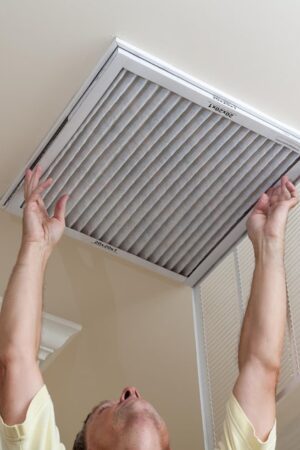
Maintaining a healthy home environment goes beyond dusting shelves or vacuuming carpets. One often overlooked but essential part of keeping your indoor air clean is air duct cleaning. It’s something many homeowners forget until allergies flare up or strange smells fill the air. In this blog, we’ll explore why air duct cleaning isn’t just a luxury, it’s a necessary part of ensuring your home stays fresh, safe, and comfortable. 


The Importance of Air Duct Cleaning for Your Home 

Over time, your air ducts collect dust, allergens, pet dander, and other particles. These contaminants don’t just sit idle they circulate through your home every time your HVAC system runs. This continuous flow of polluted air can lead to respiratory problems, headaches, and even skin irritations. 

Professional air duct cleaning ensures that these hidden areas are thoroughly cleaned, removing trapped debris and improving airflow. Clean ducts allow your HVAC system to run more efficiently, potentially lowering energy bills. Not only does this contribute to a healthier environment, but it also enhances the lifespan of your heating and cooling units. 

  • Investing in this service not only benefits your health but also your wallet over time. 

How Often Should You Schedule Air Duct Cleaning? 

Experts generally recommend cleaning your air ducts every 3 to 5 years, but this depends on several factors. Homes with pets, smokers, or recent renovations may need more frequent attention. Similarly, households where residents suffer from allergies, asthma, or other respiratory issues should prioritize air duct cleaning to reduce airborne irritants. 

A professional service will assess your specific needs, inspecting filters, vents, and the overall condition of your ducts before recommending a cleaning schedule. This tailored approach ensures you’re not spending money unnecessarily while keeping your home’s air quality at its best. 

air duct cleaning 

The Process: What to Expect During Air Duct Cleaning? 

When you hire a certified technician, the process is smooth and efficient. First, they inspect your entire HVAC system to identify buildup or blockages. Next, high-powered vacuums are used to extract dust and debris from the ducts. Brushes and compressed air tools dislodge stubborn grime, ensuring no corner is left untreated. 

One key point to keep in mind is that air duct cleaning isn’t a one-size-fits-all procedure. A trustworthy service will explain each step and answer any questions you have before starting. The goal is to make the process transparent, leaving you confident in the results. 


Signs That You Need Air Duct Cleaning Immediately 

While regular maintenance is ideal, certain signs indicate that it’s time to schedule a cleaning right away: 

  • Persistent coughing or sneezing inside the home 
  • Noticeable musty or stale odors 
  • Excess dust accumulation on surfaces 
  • Uneven airflow or rooms that never seem to reach the desired temperature 

If you notice any of these symptoms, it’s worth acting quickly. Clean air ducts can significantly reduce these discomforts, restoring comfort to your living space. 


Conclusion 

A clean home isn’t just about visible surfaces, it’s also about what you can’t see. Air duct cleaning plays a vital role in maintaining a healthier, more efficient household. By ensuring your air ducts are free from dust, allergens, and pollutants, you protect your family’s health and improve your HVAC system’s performance. 

Taking the time to schedule a professional cleaning today means cleaner air, lower energy bills, and a more comfortable living environment tomorrow. Don’t wait until the signs are overwhelming, act now and breathe easier! 
 

read more
Home Decor

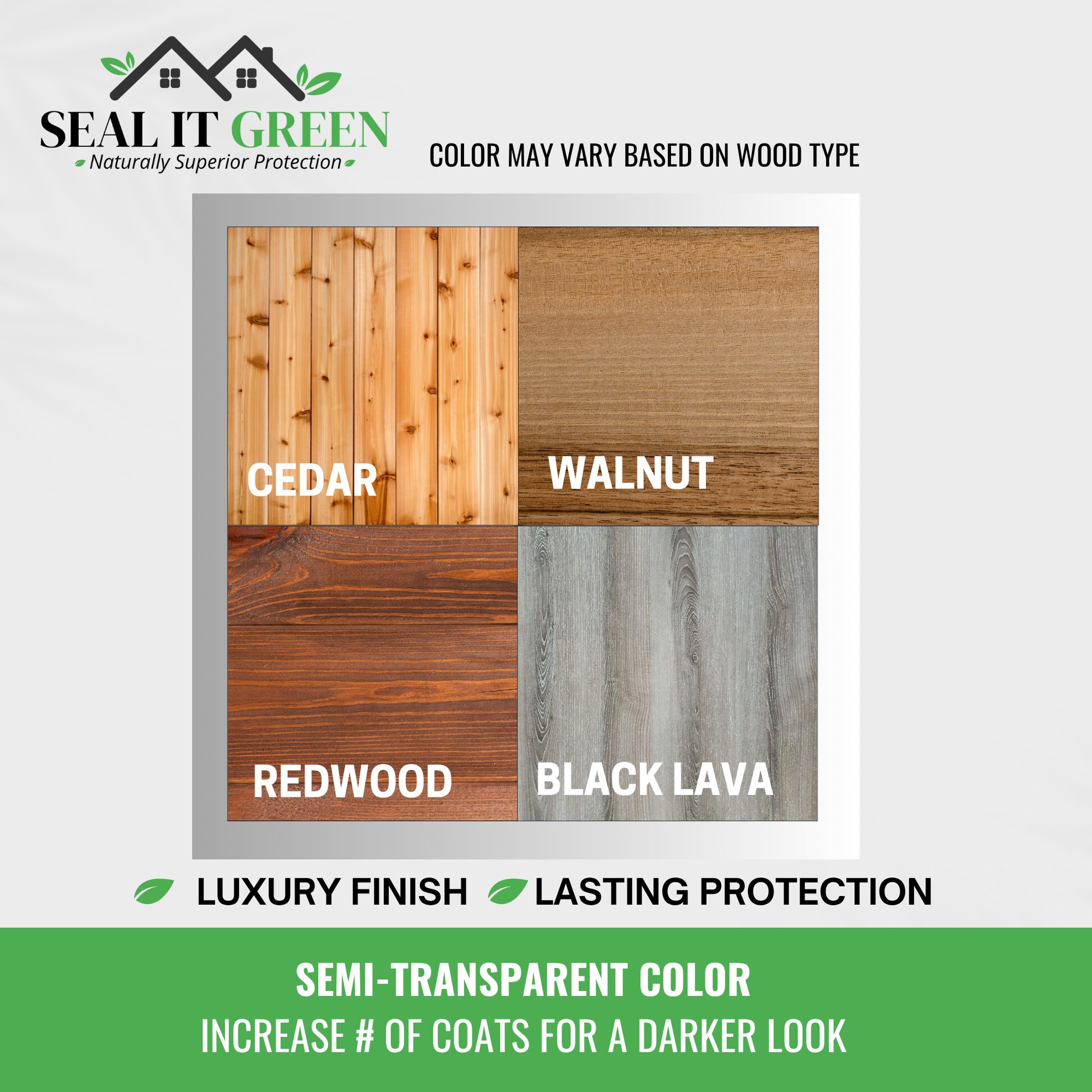
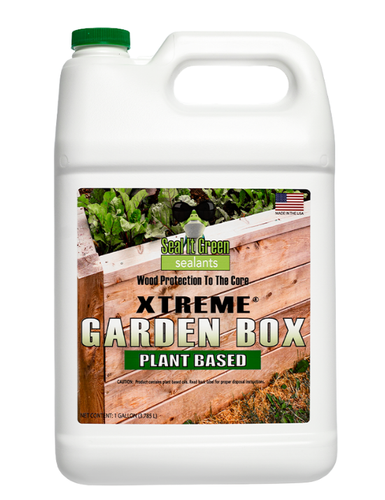
Safe Wood Sealer Choices for Your Garden Box

garden box

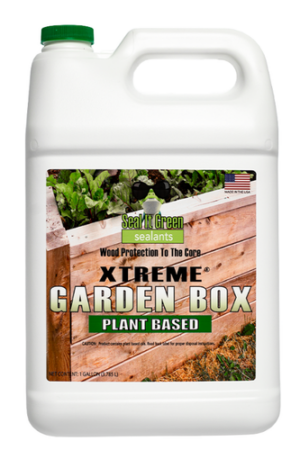
When building a raised bed, most gardeners focus on soil quality and plant care, but the structure itself is just as important. A garden box exposed to soil and moisture can break down quickly without the right protection. The challenge is finding a wood sealer that prevents damage without introducing harmful chemicals into your garden. Fortunately, safe and eco-friendly options exist that keep your wood strong while protecting your plants and soil.

Why Wood Sealers Are a Must for Raised Beds

Untreated wood in a garden bed absorbs water, attracts mold, and can decay within a couple of seasons. A quality sealer creates a shield that resists rot, pests, and weathering. This not only extends the life of your garden bed but also saves money over time. For gardeners who want a reliable, long-lasting structure, sealing is not optional—it’s essential.

Choosing Non-Toxic Options for Safety

Traditional sealers often contain harsh chemicals that can leach into soil. For edible gardens, this poses a serious health risk. The better alternative is a non-toxic wood sealer for garden bed designed specifically for food-safe gardening. These products use natural ingredients to create a barrier that keeps wood protected without contaminating the soil. Gardeners who value organic practices find these sealers to be the safest choice for growing vegetables and herbs.

garden box

The Eco-Friendly Advantage of Sustainable Sealers

A sustainable wood sealer offers more than just wood protection—it supports eco-conscious living. Made from renewable resources, these sealers are biodegradable and safer for the environment. They provide the same durability as synthetic products but without the environmental impact. For gardeners looking to reduce their carbon footprint, sustainable options align perfectly with green living values.

Application Tips for Best Results

Getting the most from a wood sealer requires proper application. Start by cleaning the wood and ensuring it’s dry. Apply the sealer evenly with a brush, making sure corners and edges are covered. Allow it to soak in and dry fully before filling the bed with soil. Reapplying every one to two years maintains protection and prevents long-term damage.

Benefits That Go Beyond Durability

The right sealer doesn’t just protect your wood—it also supports plant health. By avoiding chemicals, you keep soil safe for crops, pollinators, and beneficial microbes. A sealed garden box also looks better over time, resisting discoloration and weather wear. For families with children and pets, using a safe sealer adds another layer of reassurance.

Why Gardeners Prefer Safer Sealers Today

As more people grow their own food, the demand for safer gardening solutions is rising. Non-toxic and sustainable sealers fit perfectly into this trend, offering peace of mind and long-term value. They reflect a larger movement toward organic, eco-friendly gardening practices that prioritize health, safety, and sustainability.

Conclusion

Protecting your garden box with a safe wood sealer is one of the best investments you can make for your garden’s future. By choosing non-toxic and sustainable options, you safeguard your crops, extend the life of your raised beds, and support eco-friendly practices. A small step like this ensures your garden remains productive, safe, and environmentally responsible for years to come.

read more
Home Decor

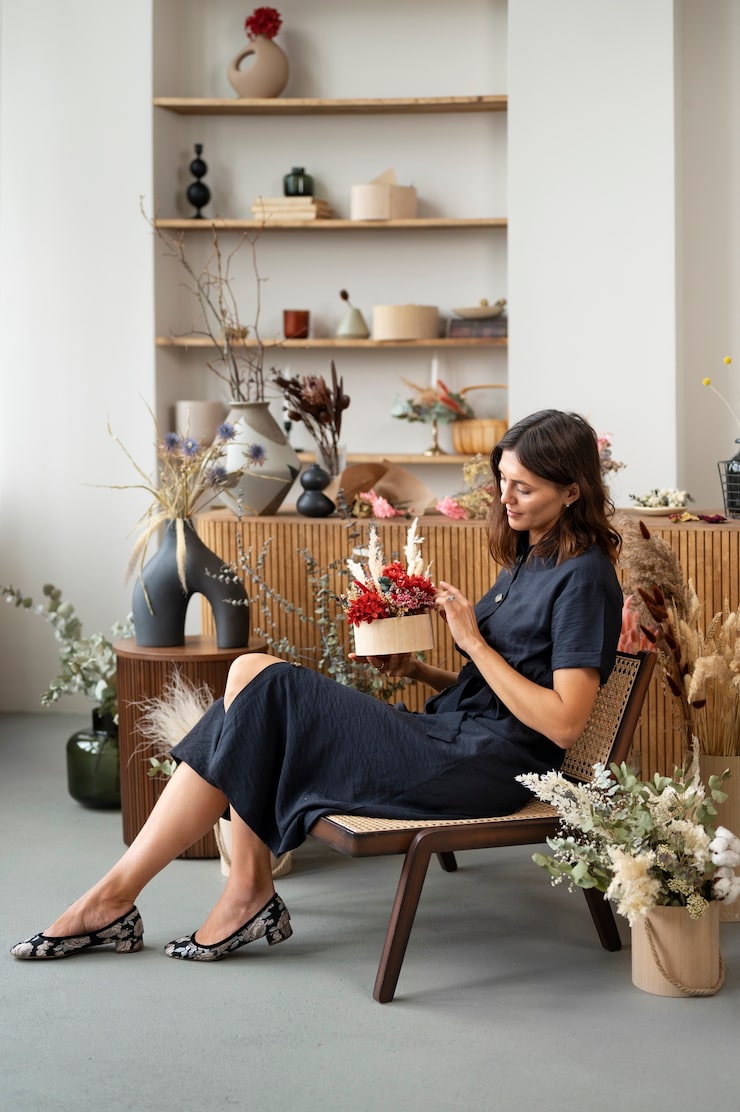
Decorating with Vase: Where Style Actually Gets to Have Fun

vase

Alright, let’s just get this out there—vases? Criminally underrated. People act like they’re just flower holders, but honestly, they’re secret weapons for anyone who wants their place to look like they’ve got it together (even if you absolutely don’t).  

Vases aren’t just about the flowers. Sure, a gorgeous bouquet is nice, but a killer vase? That’s the real MVP. Whether you’re into those slick glass numbers that scream “I have my life together” or you’re more of a “found this ceramic thing at a thrift shop and now it’s the star of my living room” type, the right vase can totally flip the vibe of a room without you having to paint a wall or buy a new couch. 


Why Vase Deserve More Hype  

So, here’s the thing: vase do whatever you want, whenever you want. They’re like the Swiss Army knife of home décor. You want a bold pop of color? Boom—grab a neon ceramic vase. Need a classy touch? Hello, crystal. Minimalist? Glass, all the way. You can throw a vase on a shelf, drop one in the middle of your table, or just plop it down on the floor like, “Yeah, I meant to do that.” Designers love ‘em because they balance out a space, add texture, and—let’s be real—they’re way easier to move around than your sofa. 


All the Different Vase Vibes  

There’s literally a vase for every mood and style out there. Here’s the quick rundown:  

  • Glass: Sleek, modern, looks good anywhere. You can’t mess it up. 
  • Ceramic: Handmade feels, cozy charm, a little “I’m artsy” energy. 
  • Metal: Industrial, bold—kind of edgy, if you’re into that. 
  • Wood: Earthy, boho, feels like you know how to make your own granola. 
  • Crystal: Fancy, timeless, maybe a little “my grandma owns this,” but in a good way. 

Pick what feels right. Or just mix ‘em up because, honestly, rules are overrated. 

  vase

When a Vase Steals the Show  

Don’t box vases in—they can totally be the main attraction. A giant sculptural vase in your entryway? People will think you paid a designer. Or grab a bunch of smaller ones and scatter them across the coffee table for that “effortless but actually took me an hour” look. Mix up shapes and materials—matte next to shiny, tall next to squatty—and suddenly you’ve got depth and style. Yeah, you did that. 


Vase Without Flowers: Yes, It’s a Thing 

Look, flowers are nice, but sometimes you just don’t have the energy (or you forgot to water them and now it’s a crime scene). Good news: vases can still pull their weight.  

  • Dried stuff: Pampas grass, eucalyptus, wheat—very “Pinterest board come to life.” 
  • Lights: Pop some fairy lights or a fat candle in a wide vase. Instant cozy. 
  • Empty: If the vase is cool enough, let it be art. Who needs contents? 
  • Seasonal: Fill it with ornaments at Christmas, pinecones in fall, shells in summer. It’s like a mood ring for your house. 


How to Pick the Right One (Without Overthinking It)  

Here’s the cheat sheet:  

  • Size: Big vases = floor. Small vases = shelves, tables, anywhere else. 
  • Shape: Tall and skinny? Great for long-stemmed stuff. Round? Softer look. 
  • Color: Go neutral if you want it to blend. Go wild if you want it to pop. 
  • Material: Match your vibe, not just your existing furniture.  

End of the day, it’s gotta feel right to you. If you love it, it’ll work. 


Vase: The OG Home Accessory  

No joke, vases are old-school cool. Ancient Greeks, Egyptians—everyone was obsessed. Some of those museum pieces? Straight-up drool-worthy. And we’re still doing it, just swapping marble for IKEA sometimes. 


Wrapping It Up (But Not Like a Gift, Unless…)  

Bottom line? Vase are more than flower holders. They’re little pieces of art, pure and simple. Glass, metal, ceramic—pick your poison. They’ll make your place look amazing with basically zero effort. Whether you cram them full of flowers or just let them chill empty, they’re going to bring some serious style points. If your space needs a quick glow-up, trust me—get yourself a good vase or three. You’ll thank yourself every time you walk in the door. 

read more
Home Decor

Kitchen Decor: Giving the “Heart of the Home” Some Actual Personality

Kitchen Decor

Let’s be real—the kitchen isn’t just a spot to microwave leftovers or hunt for snacks at 2am. It’s where stuff actually happens, like family drama, wine-fueled recipe disasters, and, if you’re lucky, the occasional meal that doesn’t taste like cardboard. So, why not make it look good? The right kitchen vibes can flip the script from “meh” to “holy crap, is this the same place?” Doesn’t matter if you’re working with a shoebox-sized apartment galley or you’ve got a Kardashian-sized chef’s paradise. Good decor’s a game-changer. 


Why Even Bother With Kitchen Decor?  

Look, it’s not just about slapping some cute signs on the wall and calling it a day. Your Kitchen Decor should work for you, not against you. When the place is set up right, you don’t waste time rummaging for a spatula or tripping over random junk. Plus, a little style never hurt anyone. A well-decorated kitchen just feels better, and—bonus—it makes you look like you’ve got your life together, even if you’re living off cereal. 


Pick a Vibe, Any Vibe  

First order of business: pick a theme that doesn’t make you cringe. Don’t just copy whatever’s trendy on Pinterest unless you actually like it. Here’s the menu:  

  • Modern Minimalist: Think “I have my life together”—lots of white, shiny stuff, and zero clutter (good luck). 
  • Farmhouse: Basically, cozy grandma but make it chic. Old-school wood, open shelves, maybe a mason jar or twelve. 
  • Scandinavian: White-on-white, blonde wood, and everything’s from IKEA. 
  • Industrial: Metal, brick, and light fixtures that look like they belong in a Brooklyn coffee shop.  

A consistent vibe keeps your place from looking like a thrift store exploded in there. 

  Kitchen Decor

Color: Not Just for Instagram Filters  

Colors matter, trust me. Pale shades (white, cream, soft gray) fool your brain into thinking there’s more space than there is—a neat trick if you’re cooking in a closet. Darker colors like navy or forest green? Super classy, but maybe skip them if your kitchen’s already the size of a shoebox. Want to spice things up? Toss in a neon kettle or some wild backsplash tiles. Just don’t go full clown car. 


What Actually Matters: The Main Stuff  

  1. Lighting

If you can’t see what you’re chopping, you’ll be ordering takeout. Layer it up—task lights for the serious work, something glowy for the mood. Chandeliers in a kitchen? Why not.  

  1. Storage That Doesn’t Suck

Open shelving looks cute on Instagram, but IRL, it’s a dust magnet. Mix it up—pretty shelves for the nice stuff, cabinets to hide the chaos. Bonus points for jars and baskets that make you look organized.  

  1. Backsplash: Tiny Wall, Big Drama

Here’s your chance to go wild. Tiles, glass, whatever. It’s a small space, so bold choices won’t make your Kitchen Decor look nuts.  

  1. Plants and Random Cool Stuff

Herbs on the windowsill? Nice. Fake plants if you can’t keep anything alive? We won’t judge. Art, funky bowls, even a weirdly fancy toaster—these things add your fingerprint. 


The Sweet Spot: Cute AND Useful  

Don’t make your Kitchen Decor so precious you’re scared to use it. Get counters you can actually wipe down. Floors that don’t show every crumb. Accessories should look good but not be totally useless. (Looking at you, decorative rolling pins.) 


Trends: What’s Hot vs. What Lasts  

Sure, matte black hardware and snazzy accent walls are having a moment. But the classics—natural wood, white tiles, neutral colors—never really get old. Your future self will thank you for not gluing fake moss everywhere. 


Bottom Line  

Kitchen decor isn’t just about making things pretty. It’s about making the place work for you…and maybe showing off a little. Find your style, mix it with some practicality, and don’t be afraid to break the rules. End of the day, you want a kitchen that makes you want to hang out, not just pass through on your way to the fridge. 

read more
Home Decor

Why Is My Refrigerator Not Cooling? Understanding What Causes Refrigerator to Stop Cooling

A refrigerator that fails to cool properly can disrupt daily life, resulting in spoiled food and unnecessary expenses. When your appliance is not maintaining the right temperature, it’s crucial to understand what causes refrigerator to stop cooling and how to address it. This article explores common reasons behind a refrigerator not cooling and offers insights on troubleshooting and potential fixes.

Common Reasons Why Refrigerators Stop Cooling

Power Supply Issues and Thermostat Settings

One of the simplest causes for a refrigerator not cooling is related to its power source. If the unit is unplugged, the circuit breaker has tripped, or there’s an electrical fault, the refrigerator will stop functioning entirely. Always confirm the fridge is properly plugged in and the corresponding breaker is engaged.

Alongside power, thermostat settings play a pivotal role. If the temperature control is accidentally turned up or reset (sometimes by bumping the control panel), the refrigerator will not cool efficiently. The ideal temperature range to maintain is between 32°F and 40°F. Always double-check and reset the thermostat if needed.

Blocked Air Vents and Poor Food Organization

A less obvious but frequent cause of a refrigerator not cooling properly is blocked airflow. Air vents within the fridge and freezer allow cold air to circulate evenly. When food items obstruct these vents or the refrigerator is overcrowded, cool air cannot freely circulate, causing warm spots and uneven cooling. Organizing food and ensuring vents remain unblocked can restore proper air flow and cooling.

Dirty Condenser Coils

The condenser coils are essential for heat exchange, releasing heat from inside the fridge to the surrounding air. Over time, dust, pet hair, and grime accumulate on these coils, hindering this heat release. Dirty coils force the compressor to work harder and can cause the refrigerator to stop cooling efficiently. Cleaning the condenser coils every few months is recommended to keep your fridge in optimal condition.

refrigerator not cooling

Faulty or Worn Door Gasket Seals

Door gaskets seal the refrigerator and freezer doors tightly to prevent warm air from leaking inside. When these seals get dirty, cracked, or degrade over time, cool air escapes, and the fridge struggles to maintain its temperature. Inspecting and cleaning the gaskets regularly can improve performance, but severely damaged seals should be replaced to restore an airtight closure.

Improper Installation and Leveling

Where and how your fridge is installed also impacts its cooling function. Refrigerators require adequate clearance on the sides and back—typically about half an inch on the sides and at least one inch at the back—to allow proper ventilation. Without this, heat cannot dissipate efficiently.

Additionally, the unit must be level. Even a slight tilt disrupts door sealing and internal mechanical functions, causing cooling issues. Use a level tool to check your fridge’s balance and adjust the feet or use shims if necessary.

Internal Mechanical Failures

If none of the above causes apply, internal components may be at fault. Common mechanical issues that lead to what causes refrigerator to stop cooling include failures in the condenser fan, evaporator fan, compressor, or temperature sensors. These parts are crucial to the refrigeration cycle and require professional diagnosis and repair.

Refrigerant Leaks

Refrigerants are the cooling agents within your refrigerator system. A leak can dramatically reduce the appliance’s ability to cool. Detecting and repairing refrigerant leaks should be handled by licensed technicians due to the specialized equipment and safety requirements.

How to Troubleshoot a Refrigerator Not Cooling

  1. Check the Power: Make sure the refrigerator is plugged in and the breaker is on. Verify the fridge light turns on when the door is opened.
  2. Set the Temperature Correctly: Adjust thermostat settings to between 32°F and 40°F.
  3. Inspect Door Seals: Clean and examine gaskets. Replace if visibly damaged or if cold air is escaping.
  4. Clean Condenser Coils: Vacuum or brush coils behind or underneath the fridge.
  5. Clear Air Vents: Rearrange items inside to avoid blocking vents.
  6. Ensure Proper Installation: Verify adequate clearance and that the fridge is level.
  7. Listen for Fans and Compressor: Fans should run when the compressor is on. If you hear unusual noises or the compressor runs continuously without cooling, seek professional help.

Conclusion

Facing a refrigerator not cooling can be frustrating, but understanding what causes refrigerator to stop cooling empowers you to identify and possibly fix the issue. Many common causes like power problems, blocked vents, dirty coils, and gasket issues are manageable with regular maintenance and careful observation. However, mechanical failures and refrigerant leaks require professional intervention. Timely diagnosis and maintenance ensure your refrigerator runs efficiently, preserving your food and energy bills alike. If your troubleshooting does not resolve the cooling problem, consulting a qualified appliance technician is the best course of action to restore your refrigerator’s optimal performance.

For detailed guidance and professional services, visit resources like Wilshire Refrigeration, which specialize in diagnosing and repairing cooling issues.

Embrace these preventive and diagnostic steps to keep your refrigerator cool and your kitchen running smoothly.

read more
Home Decor

Brighten Your Home with Stylish Decorative Lighting Ideas

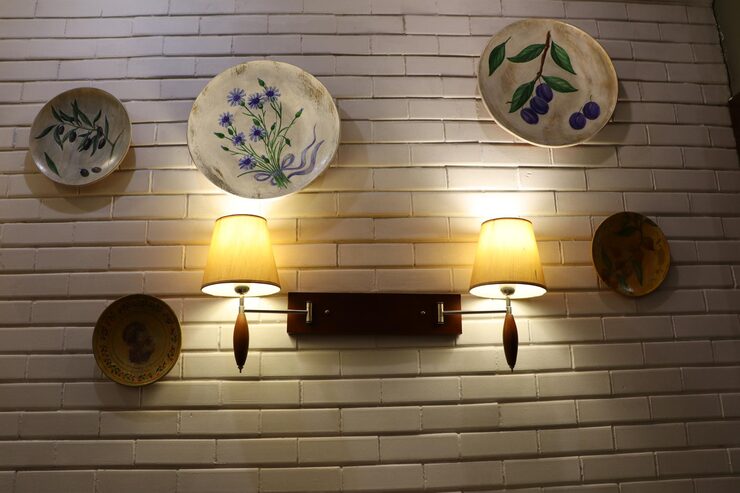
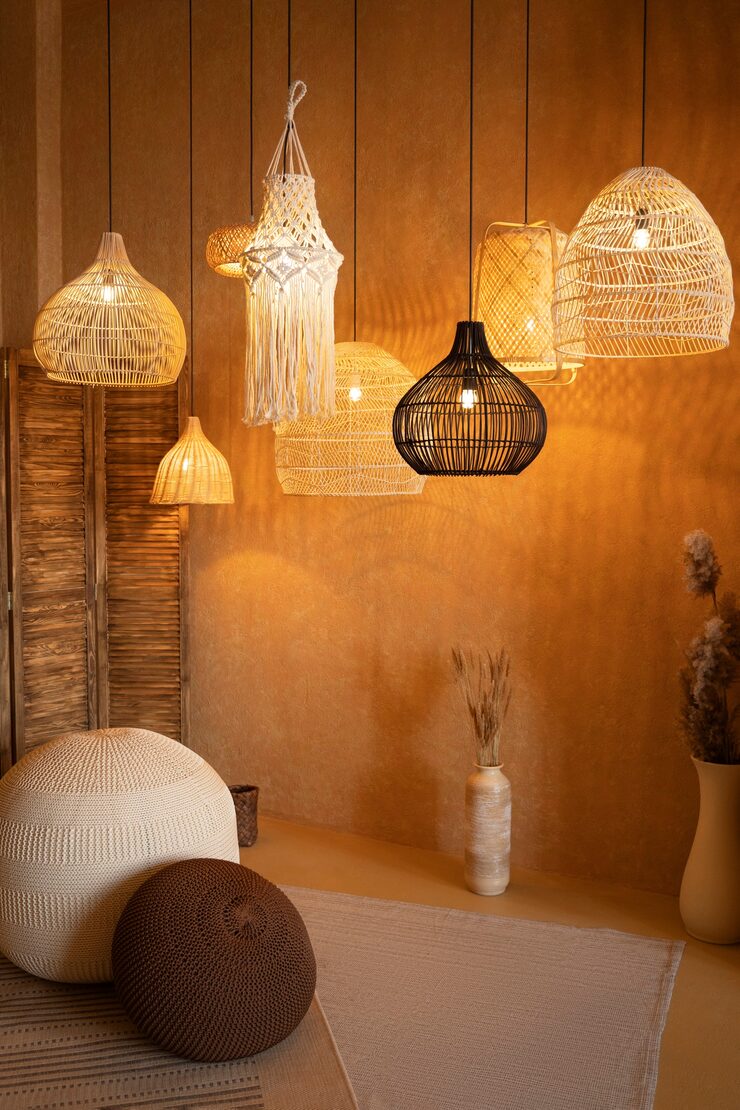
Decorative lighting

Lighting is more than just light; it can set the mood and show off your style. When it comes to lights, decorative lighting is a good way to get both usefulness and beauty. The right lighting can turn any room into something special, whether you want it cozy, romantic, or bold. 

Let’s check out how decorative lighting can improve your home, what styles are popular, and how to pick the best lights for your place. 


What’s Decorative Lighting? 

Decorative lighting is when lights not only brighten a place but also add to the design. It’s not just about how bright they are but about how cool they look and the vibe they give off. 

From fancy chandeliers to fun neon signs, decorative lighting is key to making a home feel inviting and show off who you are. 


Why Decorative Lighting Matters 

Lighting really changes how a place looks and feels. Here’s why you should think about decorative lighting: 

  • Sets the Mood: Soft lighting makes things chill, while bright lights make you feel awake. 
  • Makes a Statement: Cool lights can get people talking and draw the eye. 
  • Works and Looks Good: Decorative lighting is both pretty and useful.  
  • Changes the Space: Lighting can make small rooms seem bigger or add depth to large ones. 


Popular Types of Decorative Lighting 

There are lots of kinds of decorative lighting, and each gives a different feel. Here are some favorites: 

Chandeliers 

These are great for dining rooms and hallways, adding some fancy vibes. Now, you can find simple ones too, not just the crystal kind. 

Pendant Lights 

Good for kitchens, especially over counters. They hang from the ceiling and come in all sorts of shapes and materials. 

Wall Sconces 

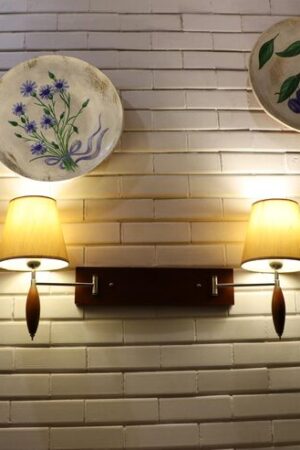
Perfect for hallways, bathrooms, and bedrooms. They give a soft light and don’t take up space. 

Table and Floor Lamps 

These make living rooms and reading spots feel warm. Pick lampshades and bases that match your style. 

Fairy and String Lights 

These make bedrooms and balconies feel magical and cozy. You can even put them around mirrors or art. 

LED Strip Lights 

People like these in modern homes under cabinets, on shelves, or behind TVs. They give a clean, futuristic look. 

Neon or Custom Sign Lights 

These are popular for trendy places. You can write words, quotes, or shapes in bright colors. 

Decorative lighting

Picking the Right Decorative Lighting 

To pick the best decorative lighting, think about what the room is for, your style, and how much natural light there is. Here are some tips: 

  • Think About the Room: Use softer lights for bedrooms and brighter ones for kitchens or offices. 
  • Match Your Style: If you like boho, industrial, simple, or old-fashioned styles, there’s a lighting design for you. 
  • Use Different Lights: Use a mix of lights – some for general lighting, some for tasks, and some for accents – to make the space interesting. 
  • Get the Size Right: A big light in a small room can be too much. Small lights in a big room might not do enough. 
  • Use Dimmers: These let you change the brightness to set the mood and save energy. 


Where to Use Decorative Lighting 

Every room can be made better with decorative lighting: 

  • Living Room: Use floor lamps or pendant lights to make a cozy spot for chatting. 
  • Dining Room: A chandelier or cool pendant over the table can be the main focus. 
  • Kitchen: Add some fun with pendant lights or LED strips under shelves. 
  • Bedroom: Use bedside lamps or sconces to make it feel warm and comfy. 
  • Bathroom: Make your mirror look great with LED lights or old-school sconces. 
  • Outside: String lights and lanterns can turn patios and balconies into nice places to hang out. 


Conclusion 

Decorative lighting is a simple way to make your home feel more like you and make it look better. It’s not just about lighting; it’s about making a vibe, showing off your style, and warming up every part of your place. 

Whether you’re changing one room or your whole house, good lighting can really make a difference. Get creative, mix your lights, and let them shine! 

read more
GeneralHome Decor

Holiday Decorations: Transform Your Space into a Festive Wonderland 

There’s something magical about the holidays—a time filled with laughter, joy, and unforgettable memories. One of the best ways to embrace the festive spirit is through holiday decorations that bring warmth, charm, and celebration into every corner of your home.  

In this guide, we’ll explore timeless and modern holiday decoration ideas to suit every taste, budget, and home size. From cozy accents to dazzling lights, you’ll discover how to elevate your holiday spirit through simple, beautiful touches. 


The Power of Holiday Decorations 

Decorating for the holidays is more than just tradition—it’s an expression of joy, creativity, and togetherness. The act of putting up holiday decorations marks the beginning of something special.  

Whether you go all out with lights and garlands or prefer a minimalist approach with just a few tasteful pieces, holiday decorations create a warm atmosphere that welcomes guests and comforts your soul. 


Classic Holiday Decoration Essentials 

If you’re wondering where to start, here are some staple items that never go out of style: 

  1. Holiday Lights

Twinkling lights are the hallmark of the season. Use string lights to decorate trees, windows, doorways, or even shelves. Choose warm white lights for a cozy look, or go bold with multicolored ones for a more playful vibe. 

Battery-powered fairy lights are great for smaller spaces and can be tucked into mason jars, wreaths, or table centerpieces. 

  1. Wreaths and Garlands

Wreaths are perfect for front doors, walls, or even as a centerpiece on your table. Whether made of fresh pine, eucalyptus, or faux materials, wreaths offer instant charm. Pair them with garlands for mantels, stair railings, and around windows. 

Decorate your garlands with ribbons, pinecones, berries, or ornaments for a customized touch. 

  1. Seasonal Table Settings

Don’t overlook your dining area. Holiday-themed table runners, placemats, napkins, and centerpieces can make your meals feel extra special. Add candles, greenery, or miniature figurines to make your table shine. 


Creative Themes for Holiday Decorations 

Modern holiday decorations go far beyond red and green. Here are a few trending themes that blend tradition with contemporary style: 

Winter Wonderland 

White, silver, and icy blue dominate this serene and elegant theme. Use snowflake patterns, frosted pinecones, and shimmering lights to create a peaceful, magical atmosphere. 

Minimalist Chic 

If you prefer a clean, clutter-free look, choose simple holiday accents in muted tones like beige, olive, or gold. Focus on high-quality pieces that make a quiet statement, such as Scandinavian-style candle holders or paper stars. 


DIY Holiday Decorations 

Handmade holiday decorations add a personal, heartfelt touch to your space. Plus, DIY projects are a fun way to get kids and family members involved in the seasonal spirit. 

Some ideas include: 

  • Paper snowflakes to hang in windows. 
  • Holiday-scented potpourri with dried oranges, cinnamon, and cloves. 

You don’t need to be a craft expert—just some creativity and a little holiday music can turn your living room into Santa’s workshop. 


Decorating on a Budget 

Holiday cheer shouldn’t come with a hefty price tag. Here’s how to enjoy beautiful holiday decorations without overspending: 

  • Shop off-season sales or thrift stores for affordable finds. 
  • Use nature—pine branches, twigs, dried leaves, and berries—for free, eco-friendly decor. 
  • Repurpose items you already own by adding seasonal accents like ribbons or paint. 

A little effort goes a long way in creating a joyful space, even on a tight budget. 


Conclusion 

Holiday decorations are more than just festive ornaments—they’re a way to express love, gratitude, and celebration. Whether you love traditional red-and-gold elegance or a modern wintery aesthetic, your home can become a reflection of the season’s joy. 

This holiday season, embrace the magic of decorating. From twinkling lights to handmade crafts, each element adds warmth and wonder to your everyday space. So grab your garlands, light the candles, and let your home sparkle with the spirit of the season. 

read more
Home Decor

How to Choose the Perfect Beach House Furniture for Coastal Living?

beach house furniture

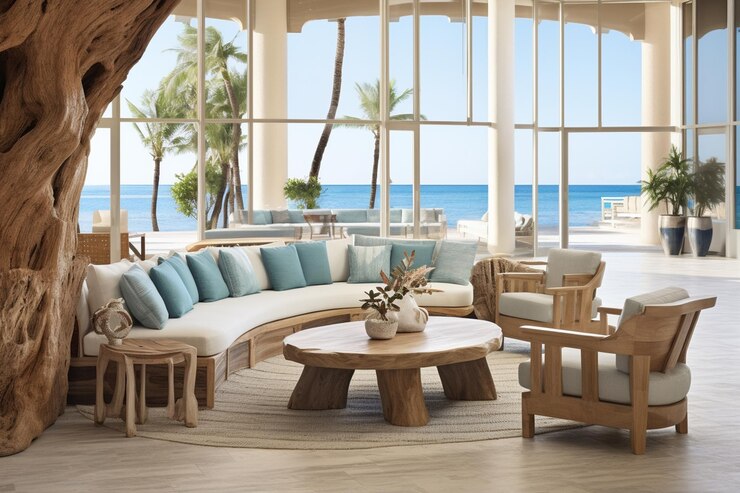
If you’ve ever stepped into a beach house and instantly felt relaxed, there’s a good chance that the beach house furniture played a big role. Whether you own a coastal getaway or simply want to recreate that breezy, ocean-inspired feel at home, the furniture you choose is key. It’s not just about style—it’s about functionality, durability, and capturing that laid-back charm that defines coastal living. 

In this guide, we’ll explore everything you need to know about choosing the right beach house furniture, including design tips, material considerations, and how to blend comfort with aesthetics to create a true seaside sanctuary. 

Why Should Beach House Furniture Be Different? 

A beach house isn’t just another property. It’s a retreat. A place to unwind after sandy adventures, salty swims, or lazy afternoons. That means your beach house furniture needs to be as inviting and durable as it is stylish. 

Coastal environments come with unique challenges—humidity, sand, salt air, and heavy foot traffic from guests and beachgoers. That’s why materials, finishes, and design need to be selected with these factors in mind. From weather-friendly fabrics to furniture that resists moisture and fading, making smart choices will keep your beach house both beautiful and functional for years. 

Key Features to Look for in Beach House Furniture 

  1. Durable Materials

For coastal homes, durability is everything. Teak, rattan, wicker, bamboo, and treated woods are excellent for beach house furniture 

When it comes to upholstery, opt for performance fabrics that are water-resistant, fade-resistant, and easy to clean. Sunbrella fabrics, for instance, are popular choices for both indoor and outdoor beach house furniture. 

  1. Light and Airy Design

A hallmark of beach-inspired interiors is a sense of openness. Keep the look breezy and uncluttered. Avoid bulky, heavy furniture. Instead, lean into pieces with clean lines, open legs, and minimalistic frames. Lighter wood tones or whitewashed finishes also help reflect natural light and give your space that airy, coastal vibe. 

beach house furniture

Must-Have Beach House Furniture Pieces 

Living Room 

The living room is where everyone gathers after a day in the sun. Opt for a comfortable, overstuffed sofa in a neutral shade. Add accent chairs made from wicker or rattan for a laid-back look.  

Dining Area 

A farmhouse-style or reclaimed wood dining table works beautifully in a beach setting. Pair it with woven or upholstered dining chairs to keep things cozy. Don’t be afraid to mix materials—like metal and wood—for a modern coastal twist. 

Bedrooms 

Beach house bedrooms should feel like a personal escape. Choose platform beds or headboards made of natural materials. Nightstands and dressers in coastal styles—think louvered doors or nautical drawer pulls—add character without overwhelming the room. 

Outdoor Spaces 

Your patio or deck deserves just as much attention. Look for weather-resistant beach house furniture like teak loungers, woven sectionals, or Adirondack chairs. Add in cushions and throw pillows in coastal patterns like stripes, seashells, or coral motifs to tie the space together. 

Coastal Style Tips for Furniture Arrangement 

  • Keep it casual: Arrange seating to encourage conversation and connection. 
  • Let light flow: Avoid placing furniture that blocks windows or natural light. 
  • Mix textures: Combine rough wood, smooth metal, soft linen, and woven pieces for a rich, layered look. 
  • Incorporate storage: Use ottomans, benches, or coffee tables with storage to tuck away beach towels, games, or extra linens. 

Eco-Friendly Options for Beach House Furniture 

If sustainability is important to you, look for beach house furniture made from reclaimed wood, bamboo, or FSC-certified materials. Many eco-friendly brands now offer coastal-style collections that don’t sacrifice aesthetics for responsibility. Plus, they often use low-VOC finishes and organic fabrics, which are healthier for your indoor air quality—especially important in enclosed beach environments. 

Final Thoughts 

Choosing the right beach house furniture is about more than just decorating—it’s about curating an atmosphere where relaxation and comfort come naturally. Whether you’re outfitting a vacation rental or your forever home by the sea, focus on natural materials, easy maintenance, and a style that evokes the essence of coastal living. 

By blending functionality with timeless seaside charm, you can create a space that welcomes sandy feet, salty hair, and unforgettable memories—all while looking effortlessly beautiful. 

read more
Home Decor

Cabin Decor: Cozy Style for Rustic Living

Cabin Decor

Whether it’s tucked in the woods, by a lake, or nestled in the mountains, cabins offer a unique charm. What brings that charm to life is thoughtful cabin decor—a style that combines rustic elements, natural textures, and a warm, inviting atmosphere. 

Decorating a cabin is more than just adding furniture. It’s about creating a space that feels connected to the outdoors while offering the comforts of home. In this guide, we’ll explore how to style your space using the best cabin decor ideas to create a retreat that’s both beautiful and functional. 

What Is Cabin Decor? 

Cabin decor is a design style that blends rustic charm with cozy comfort. It focuses on natural materials, earthy colors, and handcrafted items that reflect the environment outside. From log walls and wood-burning fireplaces to antler chandeliers and plaid throws, the details in cabin interiors are warm, welcoming, and full of personality. 

Cabin decor doesn’t have to be outdated or overly rugged—it can be modern, minimalist, or even eclectic. The key is to strike the right balance between nature-inspired design and personal comfort. 

Key Elements of Cabin Decor 

To achieve the perfect cabin decor style, consider incorporating the following elements: 

  1. Natural Wood

Wood is the foundation of any cabin look. Whether it’s exposed ceiling beams, hardwood floors, or reclaimed wood furniture, these elements bring warmth and character to the space. Dark woods like pine and cedar work particularly well in traditional cabin interiors. 

  1. Earthy Color Palette

The best cabin decor color schemes include rich, earthy tones such as browns, deep greens, burnt orange, and shades of gray. 

  1. Textured Fabrics

Cabins should feel soft and comfortable. Add texture with wool blankets, faux fur rugs, flannel pillows, and thick curtains. These textiles make the space feel cozy and layered, especially during colder months. 

  1. Stone and Metal Accents

Stone fireplaces, copper light fixtures, or iron hardware all contribute to the rustic feel of cabin decor. These elements add contrast and structure to soft fabrics and wood textures. 

  1. Nature-Inspired Decor

Incorporate wildlife art, botanical prints, pinecones, antlers, or handcrafted wooden sculptures. These details reflect the outdoors and create a natural theme throughout the home. 

  1. Warm Lighting

Use warm, soft lighting to create a cozy glow. Table lamps with linen shades, string lights, or vintage lanterns are great additions to your cabin-style home. 

Cabin Decor

Cabin Decor Ideas for Different Spaces 

Let’s break down how to bring cabin decor into each room of your home or vacation getaway. 

Living Room 

  • Use a mix of leather and fabric furniture. 
  • Place a large stone or brick fireplace as the focal point. 
  • Add a reclaimed wood coffee table and cozy blankets for a true cabin feel. 

Bedroom 

  • Choose log bed frames or rustic wood headboards. 
  • Layer bedding with quilts and throw pillows. 
  • Decorate with wildlife or forest-themed artwork. 

Kitchen 

  • Use open shelving made from natural wood. 
  • Choose vintage-style fixtures in bronze or copper. 
  • Add touches like mason jar storage or checkered curtains for classic charm. 

Bathroom 

  • Go for stone countertops or wooden vanities. 
  • Use baskets for towel storage. 

Modern Touches to Update Cabin Decor 

While rustic charm is essential to cabin decor, you don’t have to skip modern comforts. Mix in updated furniture, sleek appliances, or minimalist accessories to keep your space functional and stylish. For example, a modern leather sofa can blend beautifully with a reclaimed wood wall. 

You can also incorporate smart lighting or heating systems while still maintaining a rustic appearance. The key is to blend modern convenience with traditional style in a way that feels balanced. 

Final Thoughts 

Whether it’s your full-time home or a weekend escape, creating the perfect cabin decor is all about celebrating nature, comfort, and simplicity. From warm woods and rich textures to cozy lighting and thoughtful details, cabin design brings out the best of rustic living. 

Take inspiration from the outdoors, and let your decor reflect the peaceful, grounded lifestyle a cabin offers. With the right touches, you can create a space that feels like a permanent getaway—one that welcomes you in and invites you to stay. 

Bring the outdoors in. Embrace comfort. Live the cabin lifestyle. 

read more
Home Decor

Discover how a long wall mirror can enhance your space by adding light, style, and the illusion of more room.

When it comes to enhancing the look and feel of your home, few décor items make a bigger impact than a long wall mirror. It’s functional, stylish, and has the power to completely transform a room. Whether you’re working with a compact apartment or a spacious house, a long wall mirror can add depth, light, and elegance to your space. 

In this blog, we’ll explore the benefits of incorporating a long wall mirror into your interior design, how to choose the right one, and creative ideas for placement. 

What Is a Long Wall Mirror? 

A long wall mirror is typically taller than it is wide and is designed to hang vertically or horizontally along a wall. Unlike standard square or oval mirrors, its extended shape allows it to reflect more light and space, making it a popular choice in both modern and traditional homes. 

Long wall mirrors can range in size, but most are at least three to five feet in length. They’re ideal for full-body reflection and often double as statement pieces in home décor. 

Why Choose a Long Wall Mirror? 

Here are several compelling reasons to add a long wall mirror to your home: 

  1. Enhances Natural Light

By reflecting sunlight or indoor lighting, a long wall mirror brightens up any room. This is especially useful in small or darker spaces like hallways, entryways, or bedrooms. 

  1. Creates the Illusion of Space

Mirrors are a tried-and-true trick for making rooms feel larger. A long wall mirror can visually expand your space by adding depth and dimension. 

  1. Adds Style and Sophistication

Whether framed in wood, metal, or gold, a long wall mirror adds elegance and character. It’s a simple way to elevate the look of your home without major renovations. 

  1. Functional for Dressing Areas

A vertically positioned long wall mirror is perfect for checking your outfit from head to toe. It’s a must-have in bedrooms, closets, and dressing rooms. 

long wall mirror

Choosing the Right Long Wall Mirror 

Before purchasing a long wall mirror, consider the following factors to ensure it fits perfectly into your space: 

  1. Size and Proportion

The mirror should complement the size of the wall it’s going on. If it’s too small, it may get lost. Too big, and it might overwhelm the room. 

  1. Frame Style and Material

The frame plays a big role in defining the mirror’s aesthetic. Wood frames offer warmth and a rustic feel, while metallic or frameless designs give a modern or minimalist vibe. 

  1. Orientation

Decide whether you want the mirror to hang vertically or horizontally. Vertical mirrors are great for small wall spaces or dressing areas. Horizontal mirrors work well over furniture like a console table or couch. 

  1. Mounting and Safety

Ensure the mirror comes with secure mounting hardware. Especially for large mirrors, stability and proper installation are crucial to avoid accidents. 

Where to Use a Long Wall Mirror 

Not sure where to place your long wall mirror? Here are some inspiring ideas: 

  • Bedroom: Lean it against the wall or hang it near your closet for easy outfit checks. 
  • Living Room: Position it across from a window to reflect light and add interest to the room. 
  • Hallway: Use a long wall mirror to open up narrow hallways and add elegance. 
  • Entryway: A perfect last-minute outfit checker and an easy way to brighten up your home’s entrance. 
  • Bathroom: A long mirror adds a spa-like feel and is perfect for grooming or styling. 

Decorating Tips with Long Wall Mirrors 

  • Layering: Pair your mirror with wall art, plants, or lighting to create a stylish vignette. 
  • Contrast: Use a dark frame on light-colored walls for dramatic effect—or vice versa. 
  • Multiples: In large rooms, consider using more than one long wall mirror to reflect beauty and balance. 
  • Leaning Style: If you prefer a relaxed look, lean the mirror against a wall instead of hanging it. 

Final Thoughts 

A long wall mirror is more than just a reflective surface—it’s a decorative tool that can enhance your home’s light, space, and style. Whether you’re looking to make a bold statement or add subtle elegance, the right mirror can do wonders for your interiors. 

So if you’re thinking about refreshing your home, start with a long wall mirror. It’s an affordable, practical, and stylish upgrade that brings both beauty and function to any room. 

Ready to transform your space? Discover the perfect long wall mirror today and bring light, space, and sophistication into your home—one reflection at a time. 

read more