Your garage door is one of the most used entry points in your home. Most homeowners open and close it without giving it a second thought, right up until the moment it stops working. The truth is, most major garage door failures come with early warning signs that go unnoticed simply because people do not know what to look for. Catching those signs early is the difference between a quick, affordable garage door repair and an expensive replacement or emergency call.
The Door Moves But Does Not Sound Right
Sound is one of the clearest indicators of a garage door’s health. A well-maintained door should operate with minimal noise, perhaps a gentle hum from the opener and a soft mechanical movement from the door itself. When that changes, pay attention.
A scraping noise usually suggests the door is rubbing against something it should not be. A sharp banging sound during operation often points to a broken or unbalanced spring. A rhythmic clicking as the door moves can indicate a bent track or an obstruction. None of these sounds are normal, and all of them are worth investigating before they lead to something worse.
Slow response time from opener
When you press the button, your garage door opener should open in a second or two. When you can see that there is a lag between your command and the door moving something is wrong It may be something as simple as a weak battery in the remote, or it may be a more serious problem with the opener motor or the mechanical system of the door.
If the lag is consistent and replacing the remote battery does not help, it is time to have a technician take a look. Slow response times often precede more complete failures. Addressing it early through professional garage door repair keeps you from getting stranded outside your own home at an inconvenient time.
The Door Does Not Sit Evenly When Closed
Stand outside and look at your closed garage door from a slight distance. The bottom edge should sit flush and even against the ground seal. If you notice gaps on one side, or if the door appears to sag or bow in the middle, the door is not balanced correctly.
An unbalanced door puts uneven stress on springs, cables, and the opener motor. Over time, this imbalance causes accelerated wear across the entire system. Left unaddressed, it typically leads to a broken spring or cable, which then requires urgent repair. STL Garage Service technicians check and correct door balance as part of every tune-up and service visit throughout the St. Louis metro area.
Visible Wear on Cables and Springs
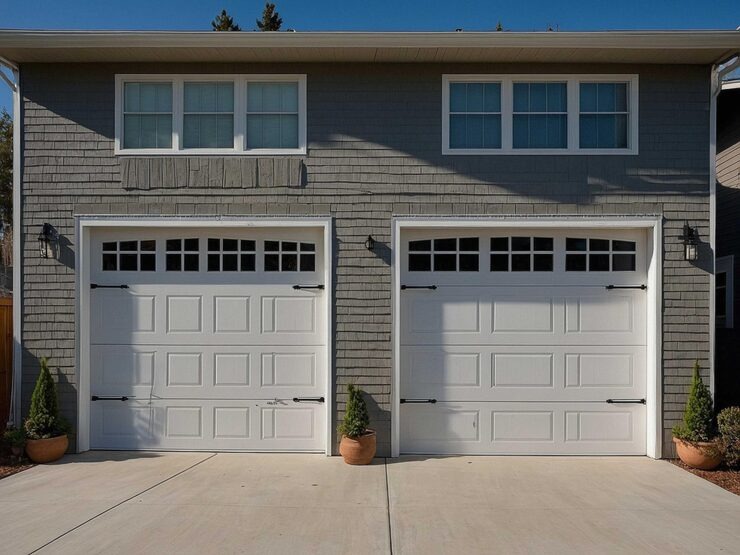
Take a moment to look at the cables and springs on your garage door system. Cables must be tight and in good shape, without fraying or rust. Springs should look even, without gaps, cracks or visible corrosion. If you notice anything unusual about either component, do not attempt to adjust or repair them yourself.
Springs and cables are under significant mechanical tension. Handling them without proper training and tools is dangerous. A technician from a trusted St. Louis company with over 10 years of experience will inspect, adjust, or replace these components safely and correctly. Never try to handle spring or cable work on your own regardless of how minor the issue appears.
Rising Energy Costs Linked to Your Garage
If your garage is attached to your living space and you notice your heating or cooling bills gradually increasing, your garage door could be part of the reason. Worn weatherstripping, damaged panels, or a door that no longer seals properly allows outside air to enter your garage and bleed into the rest of your home.
This is a subtler warning sign than a banging sound or a sagging door, but it is just as worth addressing. A technician can inspect the seals and overall condition of your door and recommend whether targeted repairs or a full garage replacement would better solve the problem. Sometimes a new bottom seal and some fresh weatherstripping does the job. Other times, the door itself is beyond the point where repairs are practical.
The Door Reverses Without a Clear Reason
Modern garage doors have sensors near the base of the tracks that detect obstructions and trigger a reversal. This is an important safety feature. However, if your door consistently reverses when there is nothing blocking its path, the sensors may be misaligned or malfunctioning.
Sensor problems are worth fixing fast. A door that does not reverse properly when something is in the way is a real safety hazard, especially in families with small children or pets. Conversely, a door that reverses when it should not is frustrating and may indicate deeper issues with the opener system or the door’s travel settings.
When to Stop Repairing and Start Planning for Replacement
Not every warning sign leads directly to replacement, but they should all lead to an honest evaluation. If your door is older, has multiple issues presenting at the same time, and the repair estimates are approaching the cost of a new door, it is time to have that replacement conversation seriously.
STL Garage Service serves homeowners throughout St. Louis County, Florissant, Saint Charles, and East St. Louis. The techs are honest and upfront with their assessments and they don’t try to push unnecessary work. Whether you need a repair today or are planning for a replacement in the near future, they are equipped to help you make the right decision for your home and your budget.
Conclusion
Paying attention to what your garage door tells you is one of the simplest ways to protect your home and avoid expensive surprises. From unusual sounds to slow response times to visible wear on cables and springs, the warning signs are there if you know what to look for. STL Garage Service has spent more than 10 years helping St. Louis homeowners stay ahead of garage door problems with reliable repairs and honest guidance. Do not wait for a full breakdown to take action.
FAQ
Q1. What causes a garage door to become unbalanced?
The most common cause is a spring that has lost tension or broken entirely. Springs are designed to counterbalance the weight of the door, and when they wear out unevenly, the door no longer moves straight.
Q2. How do I test whether my garage door is properly balanced?
Disconnect the opener and manually lift the door to about waist height, then let go. A balanced door will stay in place. If it falls or rises on its own, the springs need professional adjustment.
Q3. Are garage door sensor problems dangerous?
Yes, if the sensors are not functioning correctly, the safety reversal feature may not work when needed. This creates a risk of the door closing on a person, pet, or vehicle. Always have sensor issues addressed promptly by a qualified technician.